
Journals
Research papers and technical publications relevant to the chemical industry — curated for R&D, quality, and procurement teams.
A Continuous Electrochemical Bromine Generator for Telescoped Photochemistry, Oxidation, and Rearrangement Processes
Davin Cronly, Megan Smyth, Scott Wharry, Thomas S. Moody, Marcus Baumann · ACS Sustainable Chemistry & Engineering · 4 Nov 2026
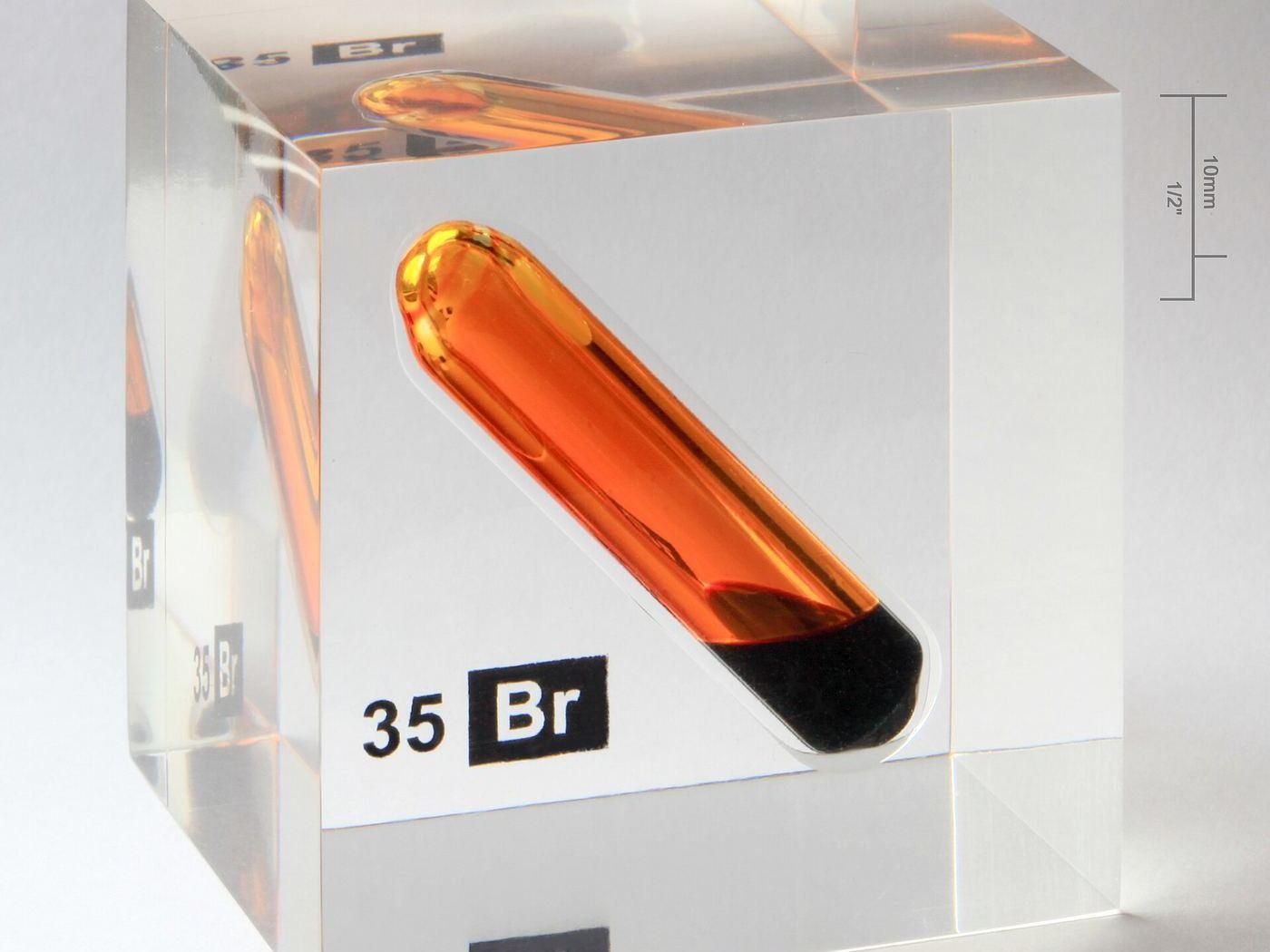
Bromine is a versatile reagent, but plants often avoid using it in bulk because it is hazardous to store, handle and quench. This study makes bromine on demand instead, in a small continuous-flow electrochemical reactor. • An acidic aqueous solution of sodium bromide is electrolysed to bromine, which is separated inline through a membrane extractor and tracked by inline UV-vis analysis at steady state. • The bromine stream was fed directly into three downstream reactions: photochemical brominations, aldehyde oxidations and Hofmann rearrangements. • The leftover bromide solution was recirculated, improving sustainability and overall efficiency. The authors expect in-situ generation, inline separation and monitoring, and reaction telescoping to make bromine chemistry easier to use in both academic and industrial settings. Why it matters: bromination is common in Indian pharma and agrochemical intermediates, and bromine storage is a serious hazard. Making only the bromine needed, from sodium bromide, removes the bulk liquid-bromine inventory from the site. Photo: liquid bromine sealed in an acrylic cube. Alchemist-hp (pse-mendelejew.de), CC BY-SA 3.0 DE, via Wikimedia Commons.
Read full paper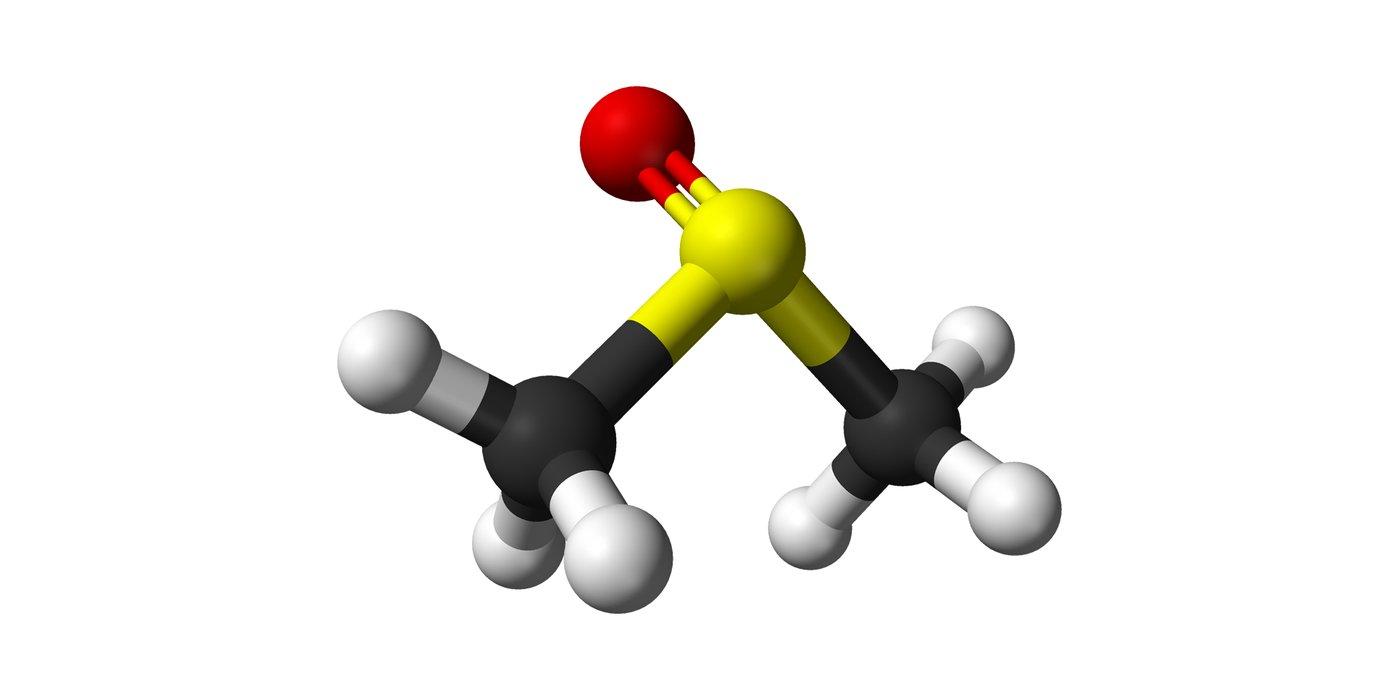
Computer-Aided Screening and Experimental Evaluation of Conventional Molecular Solvents for R32 Absorption
Yiran Zhao, Hao Qin, Miaopu Wu, Ji Wang, Fuming Miao, Xingyue Wei, Qian Zeng, Wei Qiu, Zhiguo Yuan, Guisheng Qi, Youzhi Liu, Zhen Song, Weizhou Jiao · Industrial & Engineering Chemistry Research · 4 Nov 2026
Fluorinated gases (F-gases) add substantially to global warming, so there is interest in solvents that can capture and recover them. This study builds a screening framework for absorbing difluoromethane (R32), the refrigerant now used in most air conditioners. • The COSMO-RS model was checked against 996 experimental F-gas solubility data points, then used to screen 2,562 conventional solvents for absorption capacity and ease of desorption, followed by an environmental and health assessment. • Dimethyl sulfoxide (DMSO) and 1-(2-hydroxyethyl)-2-pyrrolidinone (HEP) ranked highest. • Experiments confirmed good R32 solubility in both, with DMSO higher at 303.15 K; solubility falls as temperature rises. • Molecular analysis showed that polar oxygen-containing groups are the main sites that hold R32. Why it matters: Indian R32 capacity is growing fast (see this quarter's results from Navin Fluorine and Gujarat Fluorochemicals). Recovering R32 from vent streams and from old equipment with a common solvent such as DMSO could cut both emissions and product loss. Photo: model of the dimethyl sulfoxide (DMSO) molecule. Ben Mills, public domain, via Wikimedia Commons.
Read full paper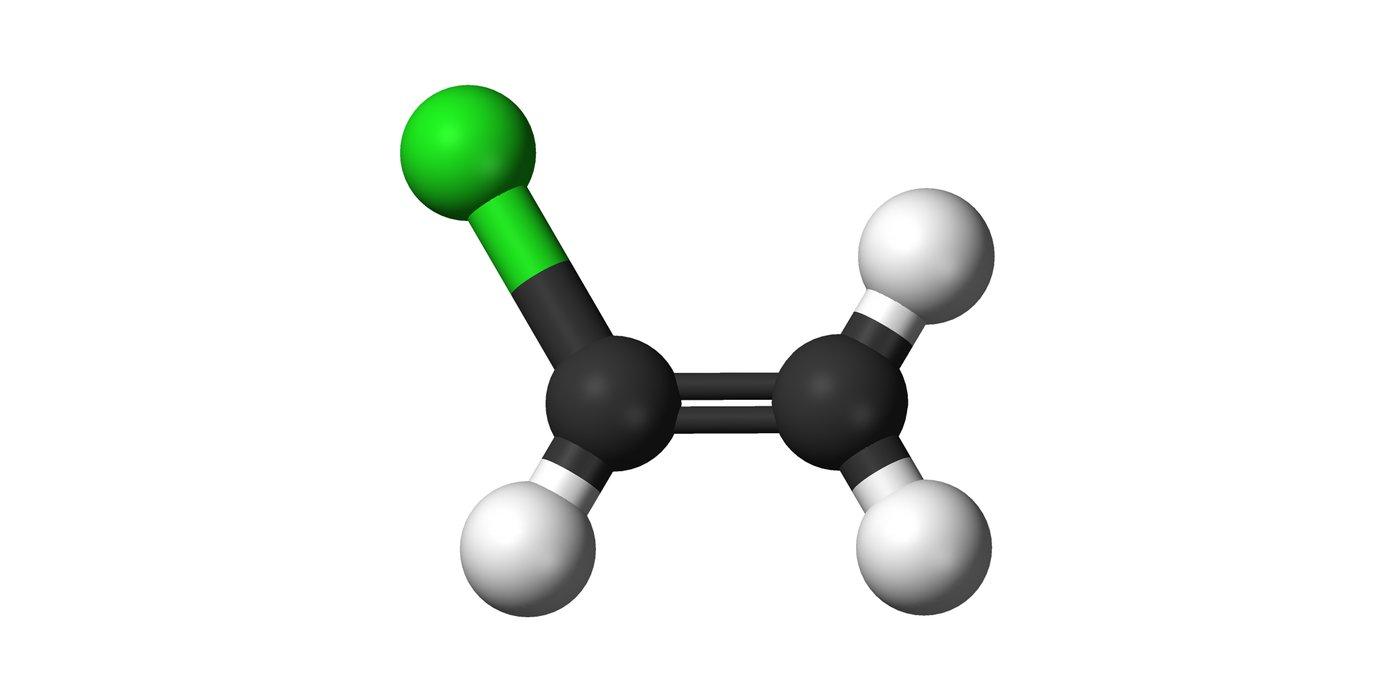
Ionic-Liquid-Mediated Self-Regulation of Deposit Evolution in Ru-Catalyzed Liquid-Phase Acetylene Hydrochlorination
Weiye Zhou, Linfeng Li, Changju Dong, Wei Li, Jinli Zhang, Jiangjiexing Wu · Industrial & Engineering Chemistry Research · 4 Nov 2026
Acetylene hydrochlorination makes vinyl chloride monomer (VCM), the raw material for PVC. Ruthenium-based liquid-phase catalysts are a promising mercury-free option, but carbon deposits deactivate them. This study compares a ruthenium catalyst in sulfolane (Ru/TMS) with one that also contains the ionic liquid [BTPP]Cl (Ru-IL/TMS). • Both systems formed carbon deposits as acetylene oligomerised, grew into chains and aromatised near the ruthenium sites. • Without the ionic liquid, the deposits became highly aromatic, thermally stable carbon that resists removal. With it, they stayed more disordered and easier to remove by hydrogenolysis. • The ionic liquid controls the precursors of these deposits and keeps a chloride-rich environment around the catalyst, slowing the reactions that harden them. • Ru-IL/TMS ran stably for 600 hours, against about 160 hours for Ru/TMS. The authors conclude that steering how deposits evolve, not only how much forms, is a route to durable mercury-free catalysts. Why it matters: the Minamata Convention is phasing out mercury catalysts for VCM. Calcium-carbide-based PVC makers, and buyers of their resin, will need mercury-free catalysts that last; a fourfold increase in catalyst life is a significant step. Photo: model of the vinyl chloride molecule. Ben Mills and Jynto, public domain, via Wikimedia Commons.
Read full paper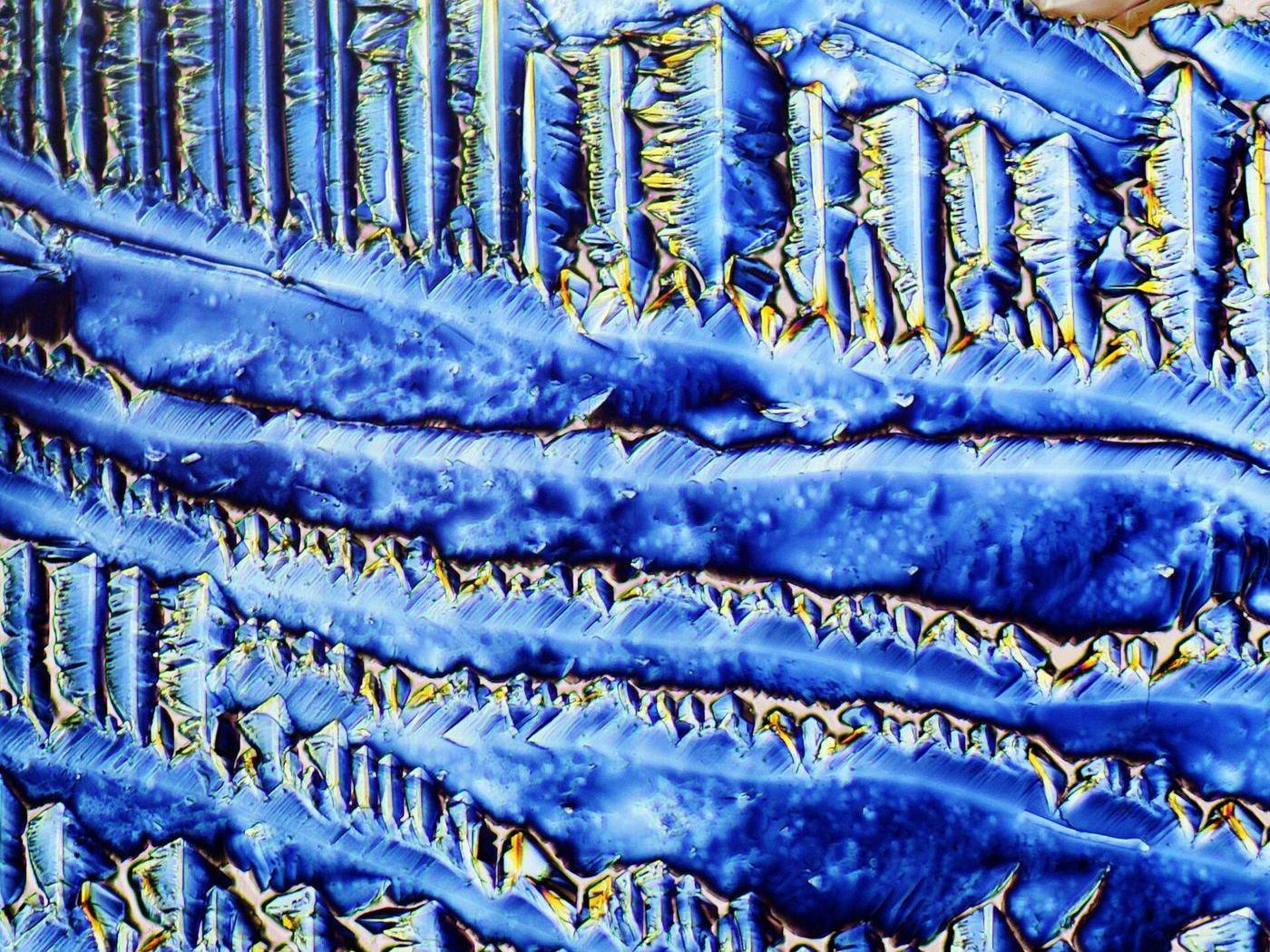
Cold Plasma-Induced Nucleation of Paracetamol in a Batch Stirred Tank Reactor
Hanan El Hadjaji, Arthur Salmon, Isabelle Ziri, Jean-Philippe Jelin, Guillaume Levilain, François Puel · Organic Process Research & Development · 2 Nov 2026
Cold plasma can promote crystal nucleation, but it had not been tested under process-relevant conditions. This study uses it to start the crystallisation of paracetamol, a model API, from acetonitrile in a stirred tank reactor. • An in-house probe produced nanosecond repetitively pulsed discharges inside nitrogen bubbles injected into the solution. • Above a threshold supersaturation within the metastable zone, plasma treatment significantly shortened the induction time and made it more reproducible. • Treating more bubbles shortened the induction time further and sped up desupersaturation. • The final particle size distribution did not change significantly, probably because of agglomeration. The authors say this is the first demonstration that cold plasma can trigger API crystallisation on demand and automatically, without preparing seed crystals — a non-intrusive alternative to seeding. Why it matters: India is one of the world's largest paracetamol producers, and unreliable nucleation causes batch-to-batch variation in many API crystallisations. A seed-free, controllable start could improve consistency, although the effect on particle size still needs work. Photo: paracetamol crystals in polarised light. Rzhevsky Stanislav, CC BY 4.0, via Wikimedia Commons.
Read full paper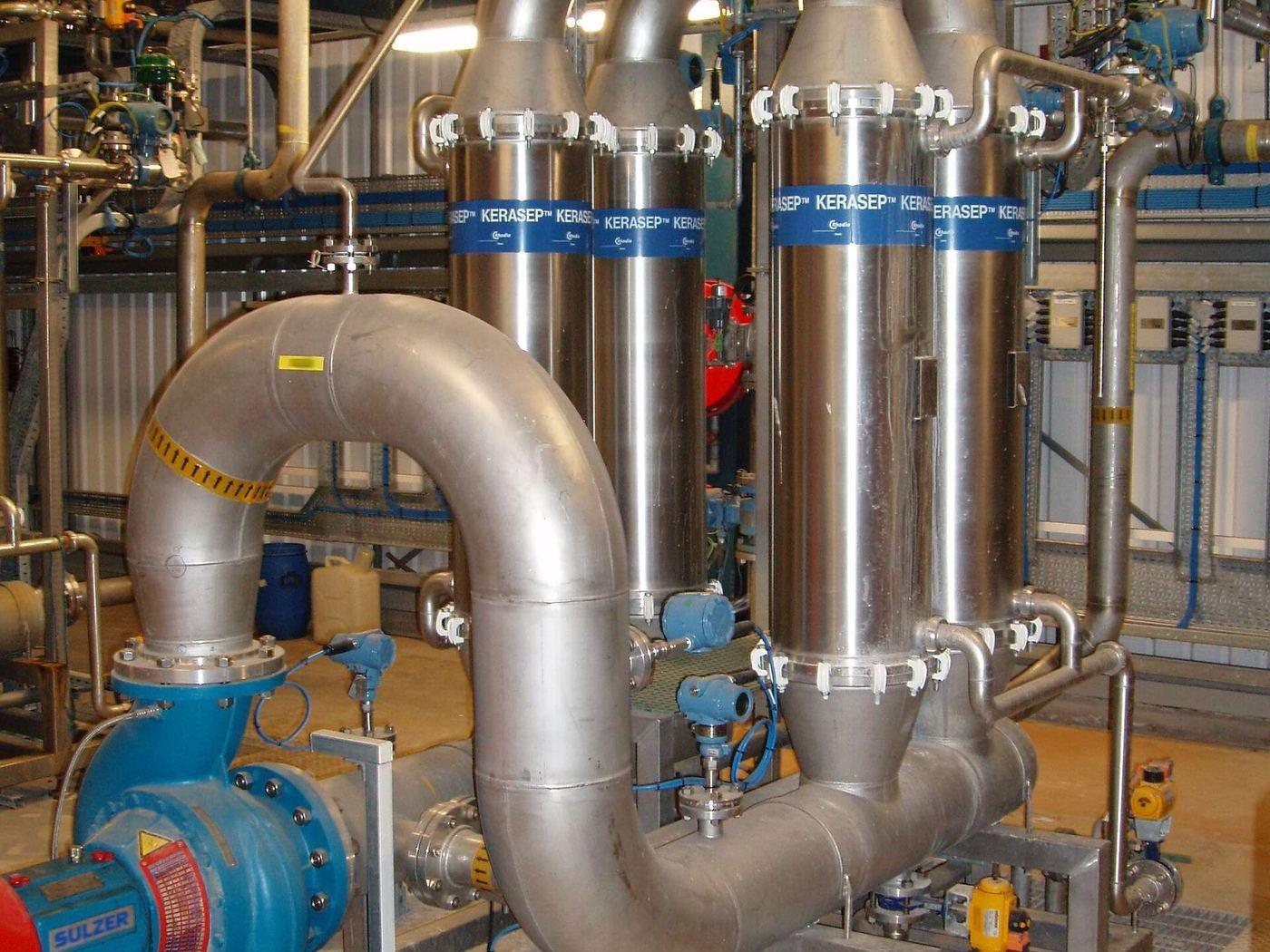
Digital-Assisted Workflow for Organic Solvent Nanofiltration: Accelerating Process Development in Pharmaceutical Manufacturing
Yiran Li, Ida F. Amura, Petros Neoptolemou, Andrew G. Livingston · Organic Process Research & Development · 2 Nov 2026
Organic solvents make up more than 80% of the process mass intensity (PMI — kilograms of material used per kilogram of product) in pharmaceutical manufacturing. Organic solvent nanofiltration (OSN) can recover API with less solvent, but high yields usually need large solvent volumes. This paper presents a modelling workflow, built on the OSN Designer framework, to find membrane set-ups that use the least solvent. • The model combines solution-diffusion transport, concentration polarisation and dynamic mass balances, calibrated with crossflow experiments on the Borsig oNF-3 membrane in 2-methyltetrahydrofuran. • Without recalibration, it was used to compare four process configurations. • A two-stage membrane cascade with closed-loop permeate recycling reached a PMI of 7.76 — 92.4% lower than single-stage constant-volume diafiltration (PMI 101.5). • The four-phase workflow cut experimental work to about 3 weeks, from more than 6–8 months, and the authors say it can be transferred to other pharmaceutical OSN systems. Why it matters: solvent is the largest cost and waste item in most Indian API plants. A tool that can design a membrane recovery step in weeks rather than months makes OSN a realistic option for cutting solvent purchase and incineration costs. Photo: an industrial crossflow membrane filtration unit (representative). Wikiwayman, CC BY-SA 3.0, via Wikimedia Commons.
Read full paper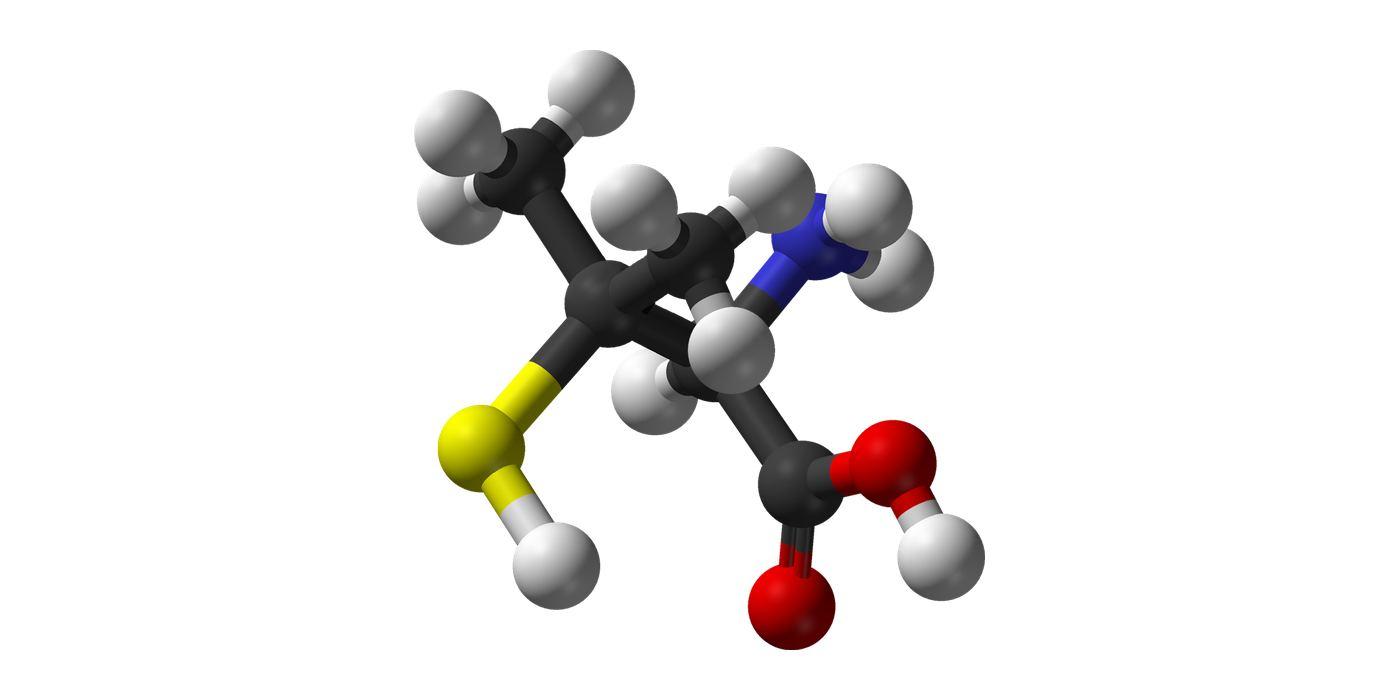
Improved Two-Step Synthesis of d-Penicillamine: Mechanistic Insights and Structural Identification of Key Process-Related Substances
Xiangping Luo, Zijian Gong, Renfa Fu, Yu Hu, Xiaoxia Sun, Yuai Zhang · Organic Process Research & Development · 30 Oct 2026
D-Penicillamine is a chelating drug made from penicillin G. This study improves a two-step route from penicillin G potassium salt, building on an earlier one-pot method. • The overall isolated yield rose from 39.94% to 69.20%. • Using HPLC monitoring and stepwise feeding, the authors isolated the process-related substances (impurities and intermediates) and identified them by NMR, MS and IR. • The work shows, for the first time, the main reaction pathway: hydrazine hydrate acts as the nucleophile that cleaves penicillin G. Possible degradation pathways are also described. The authors describe this as practical guidance for the laboratory-scale synthesis and a basis for future scale-up. Why it matters: Indian API makers already process large volumes of penicillin G. A route that nearly doubles yield, with its impurities identified, is useful both for cost and for the impurity profile needed in regulatory filings. Photo: model of the D-penicillamine molecule. Jynto and Ben Mills, public domain, via Wikimedia Commons.
Read full paper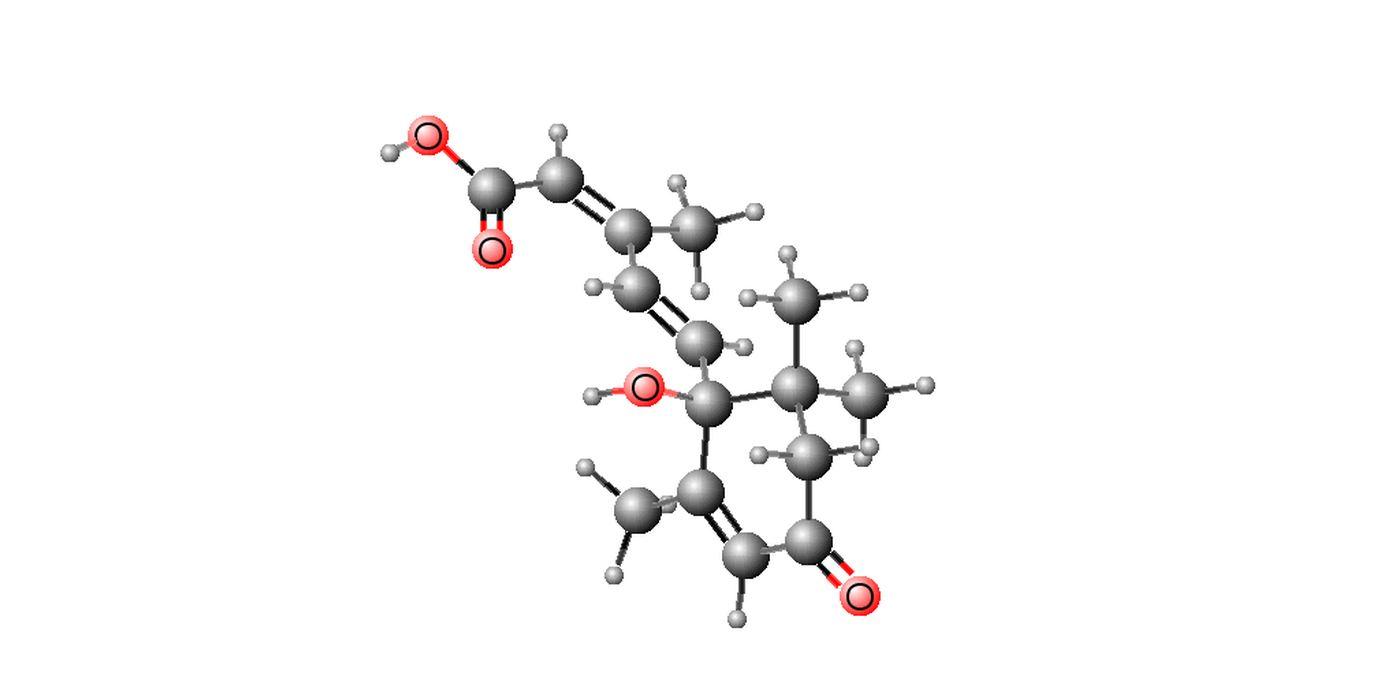
Development of a Synthetic Process for Cyphenovaline: A Potent, Selective Abscisic Acid Receptor Agonist
Chuantao Zhu, Shen Yang, Bowei Yang, Jia-Qi Li, Xianjun Tang, Yumei Xiao, Zhaohai Qin · Organic Process Research & Development · 29 Oct 2026
Abscisic acid is a natural plant hormone with potential uses in agriculture, but it is hard to make and unstable, so analogues are being developed. Cyphenovaline, developed by the authors' group, is a selective abscisic acid receptor agonist with strong anti-drought activity that also inhibits seed germination. No industrial process for it existed. The paper reports a cheaper, more efficient four-step route than the original: • glyoxylic acid-mediated dibromination; • deaminative cyanation; • EDCI-mediated amide coupling followed by methyl ester hydrolysis; • a final Suzuki coupling to install the dicyclopropyl group. Conditions for each step were screened and optimised, and a 100 g scale-up run showed the process is feasible for industrial production. Why it matters: drought-protection products are a growing area for crop-protection companies. For Indian agrochemical makers and contract manufacturers, the route uses familiar chemistry (bromination, cyanation, amide and Suzuki couplings) that fits existing multipurpose plants. Photo: model of abscisic acid, the natural plant hormone that cyphenovaline mimics. National Library of Medicine, public domain, via Wikimedia Commons.
Read full paper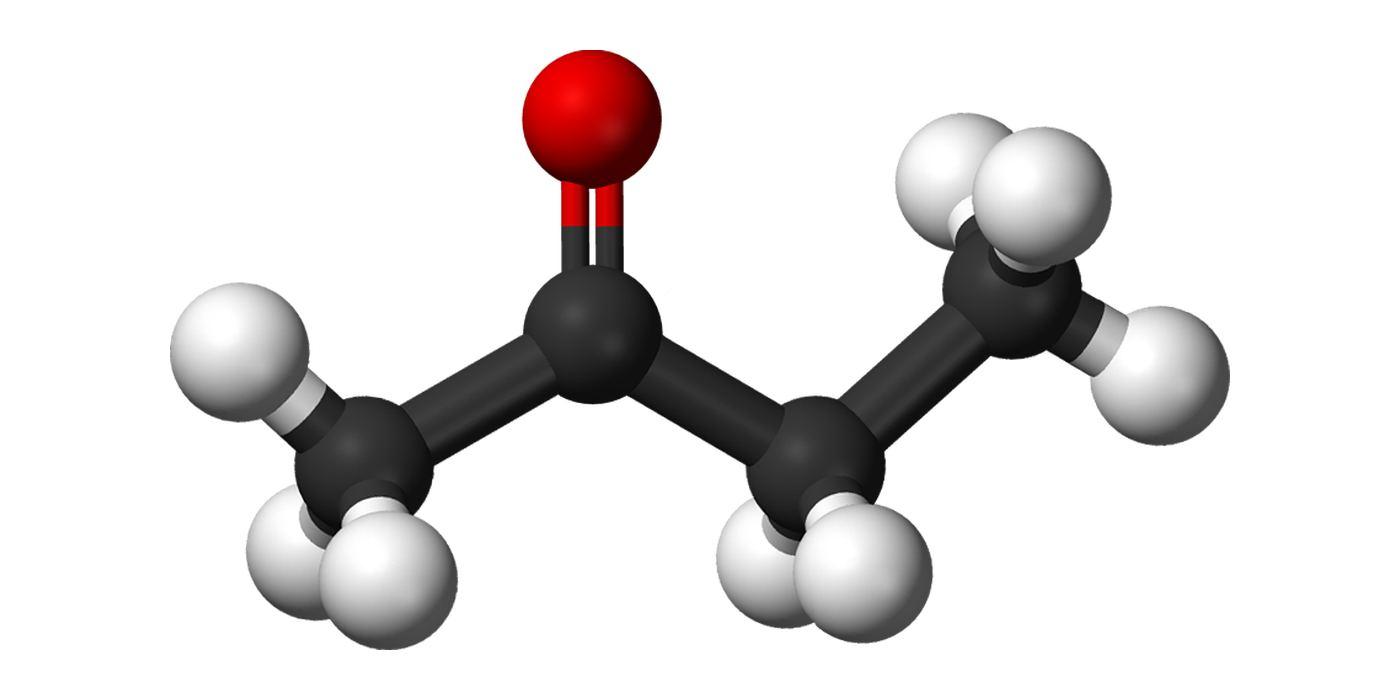
Deep Separation of the Methyl Ethyl Ketone/sec-Butyl Alcohol/Water Azeotropic System: Molecular Mechanistic Insights and Multienergy-Saving Process Intensification
Xueshan Sun, Jiahui Zhang, Zhigang Lei, Chao Pan · Industrial & Engineering Chemistry Research · 26 Oct 2026
Industrial wastewater containing methyl ethyl ketone (MEK) and sec-butyl alcohol (SBA) is hard to separate because the mixture forms azeotropes. This study designs an extractive distillation process for it and then cuts its energy use. • Entrainers (extraction solvents) were screened with vapour–liquid equilibrium diagrams and the COSMO-SAC model; molecular simulations explained why the chosen entrainer works. • Five energy-saving designs were built by combining natural decantation, a dividing-wall column, a heat pump and an intermediate reboiler, and optimised with a genetic algorithm. • The best design (all four combined) cut total annual cost by 20.82%, energy use and acid-gas emissions by 33.25%, and raised thermodynamic efficiency by 67.07%, compared with conventional extractive distillation. Why it matters: MEK and SBA are common solvents and intermediates. For Indian plants recovering solvents from aqueous streams, the paper shows how much a dividing-wall column plus heat pump can save before investing in a new recovery unit. Photo: model of the butanone (MEK) molecule. Jynto and Ben Mills, public domain, via Wikimedia Commons.
Read full paper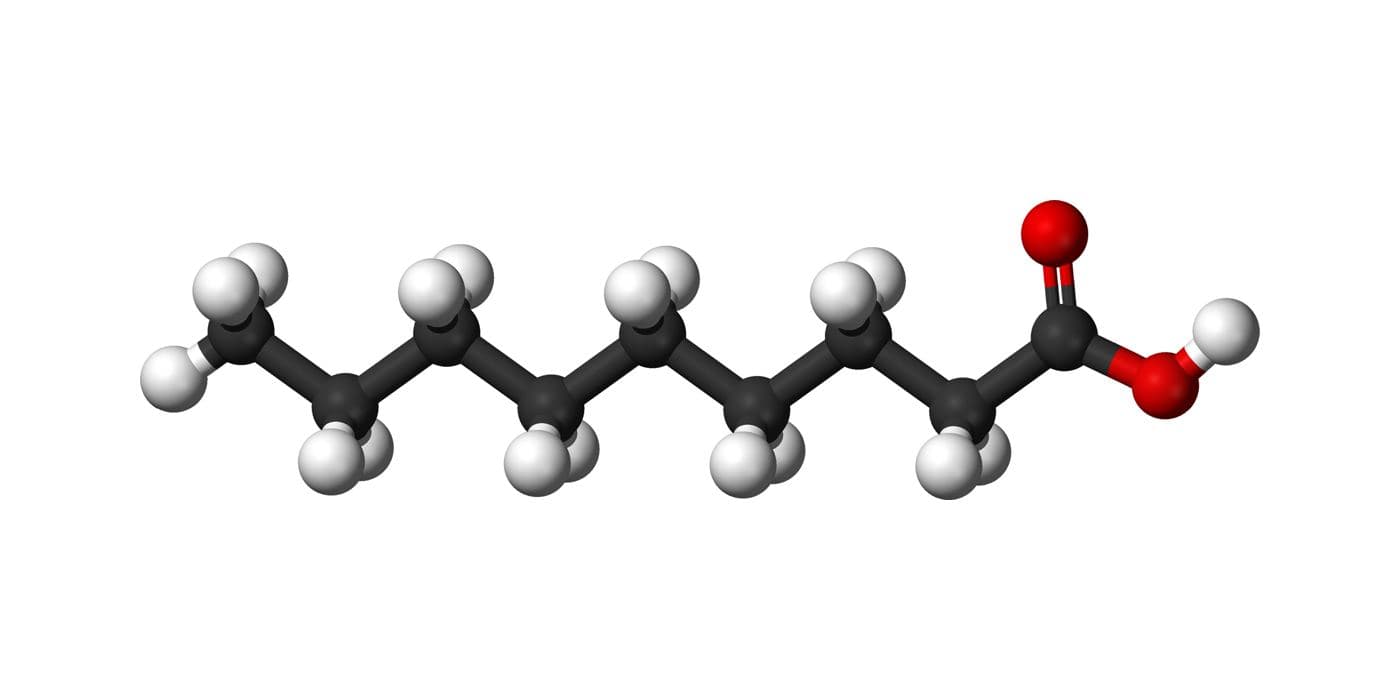
From Biobased Pelargonic Acid to Polyol Esters: Zinc Oxide as a Recyclable Catalyst for Controlled Esterification and Kinetic Analysis
Massimo Melchiorre, Maria Elena Cucciolito, Roberto Esposito, Carolina Fontanarosa, Vincenzo Langellotti, Immacolata Manco, Francesco Taddeo, Angela Amoresano, Martino Di Serio, Oreste Tarallo, Vincenzo Russo, Francesco Ruffo · ACS Sustainable Chemistry & Engineering · 23 Oct 2026
Polyol esters of fatty acids are used as bio-based lubricants, plasticisers and emollients. This study, from the University of Naples Federico II and partners, esterifies bio-based pelargonic acid (nonanoic acid) with polyols using zinc oxide (ZnO) as the catalyst, with reactive distillation to remove water continuously. • The system was first tested with 1,2-propanediol, 1,2-butanediol and trimethylolpropane, then studied in detail with glycerol. • Temperature, catalyst loading, acid-to-polyol ratio and gas stripping were used to steer the mix of mono-, di- and triglycerides. • After the reaction, the zinc was recovered mostly as zinc carboxylates and reused for five consecutive cycles. • Residual zinc in the product averaged 3–30 ppm. • Kinetic data were measured for each esterification step. Why it matters: the catalyst works like a homogeneous one (active and selective) but can be recovered and reused like a heterogeneous one. For Indian makers of synthetic ester lubricants and glyceride esters, that combination, with low metal residue, is relevant when replacing acid catalysts that need neutralising and washing. Photo: 3D ball-and-stick model of pelargonic (nonanoic) acid. Jynto and Ben Mills, public domain, via Wikimedia Commons.
Read full paper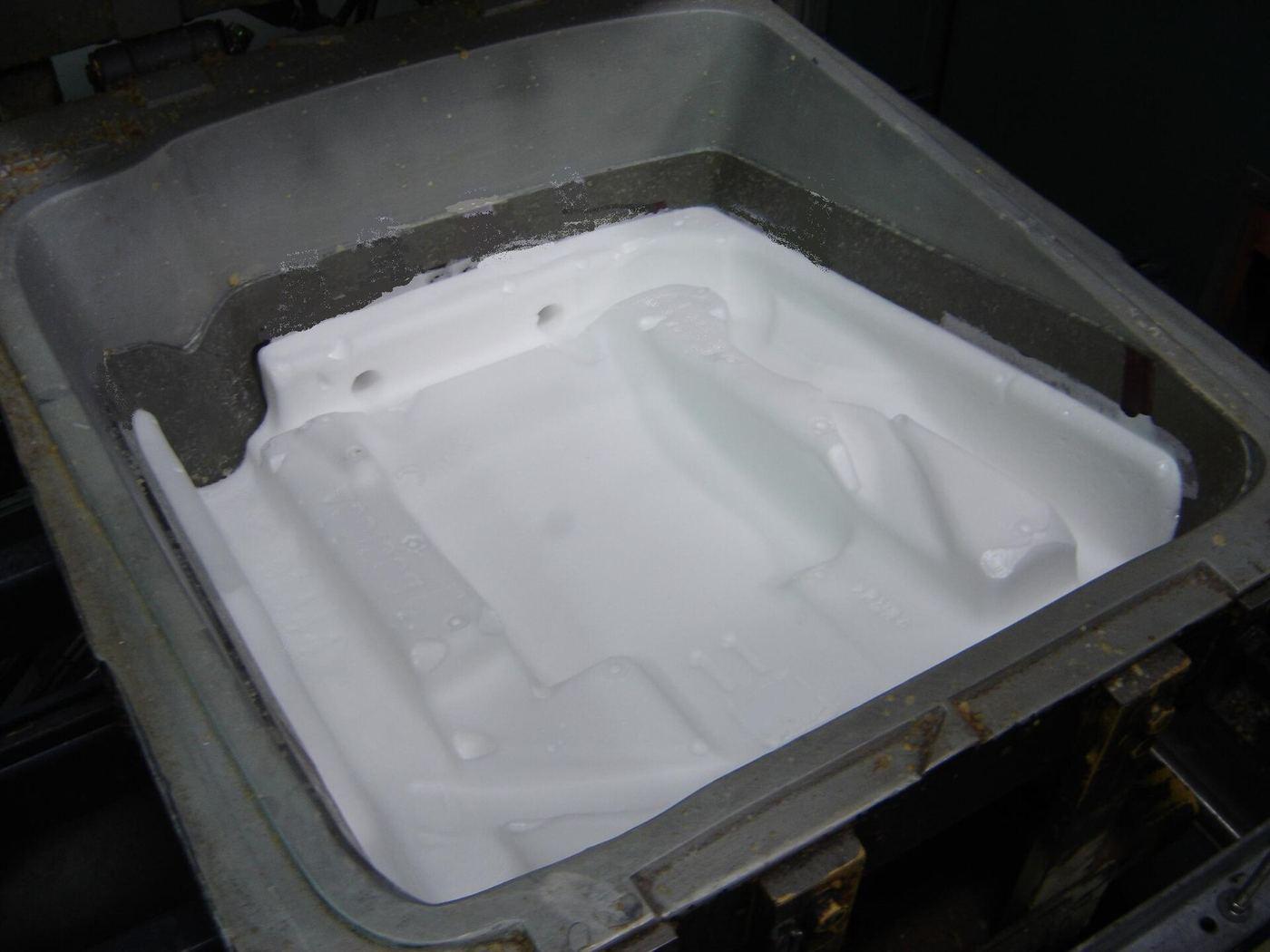
Polyurethane Recycling Using Catalytic Pyrolysis: Insights into Catalyst Stability
Tim G. W. Engels, Marlies van der Zijpp, Stefanie Eiden, Hero J. Heeres, Peter J. Deuss · ACS Sustainable Chemistry & Engineering · 23 Oct 2026
Rigid polyurethane (PUR) foam can be turned back into aniline by catalytic pyrolysis over an alumina-based catalyst, but earlier cost studies showed that catalyst cost decides whether this pays. This study tests how well the catalyst (Puralox 5/200) survives repeated use. • At gram scale (550 °C, 1:1 catalyst to feed) the spent catalyst carried 14.4 wt% hard coke and was less active and less selective for aniline. • Burning the coke off at 550 °C regenerated the catalyst, but after five cycles some loss of acidity and surface area, and a build-up of inorganic material, could not be reversed. • In repeated small-scale runs on clean PUR, aniline and toluidine output fell over the first 4 cycles, held at about half the original activity for 28 cycles, and then dropped sharply. With contaminated end-of-life foam, the catalyst was inactive after 18 cycles; inorganic impurities were a main cause. Why it matters: PU foam waste from refrigerators and insulation is growing in India too. The study shows that feed cleaning and catalyst life, not just yield, will decide the economics of chemical recycling back to aniline, a key MDI raw material. Photo: freshly moulded polyurethane foam. Silverchemist at English Wikipedia, CC BY-SA 3.0, via Wikimedia Commons.
Read full paper
Chitosan-Based Polymeric Dyes for In Situ Coloration of Regenerated Cellulose Fibers
XueWei Zhou, Jingying Chen, Yuting Xiong, Man Zhang, Zihui Liang, Yuan He, Beini Zeng, Yajie Shu, Jinming Zhang, Jinfeng Wang · ACS Sustainable Chemistry & Engineering · 23 Oct 2026
Conventional dyeing of cellulose fibres in water uses large amounts of salt and leaves high-salinity wastewater. This study, from Wuhan Textile University, Yulin University and the Institute of Chemistry, Chinese Academy of Sciences, colours regenerated cellulose fibres while they are being spun instead of dyeing them afterwards. • Dye molecules (chromophores) are first bonded to chitosan at low temperature, making a "polymeric dye". • This is mixed into the cellulose solution and wet-spun, with phytic acid solution as the coagulation bath. • With a 2 wt% chitosan dye solution blended into a 5 wt% cellulose solution, 89.7% of the dye stayed in the filaments. • Filaments with 1 wt% chitosan and a high loading of Reactive Red 195 reached a tensile strength of 110 MPa. • The chitosan also made the fibres antibacterial, reducing E. coli by 88.02% and S. aureus by 75.38%. Why it matters: it combines dye making, fibre spinning, colouring and an antibacterial finish in one process, without the salt that conventional reactive dyeing needs. Salt-laden dyehouse effluent is expensive to treat, so Indian dye, viscose and textile makers should watch this kind of spin-coloured fibre. Photo: a sample of rayon (regenerated cellulose) fabric. Arkirkland, CC0, via Wikimedia Commons.
Read full paper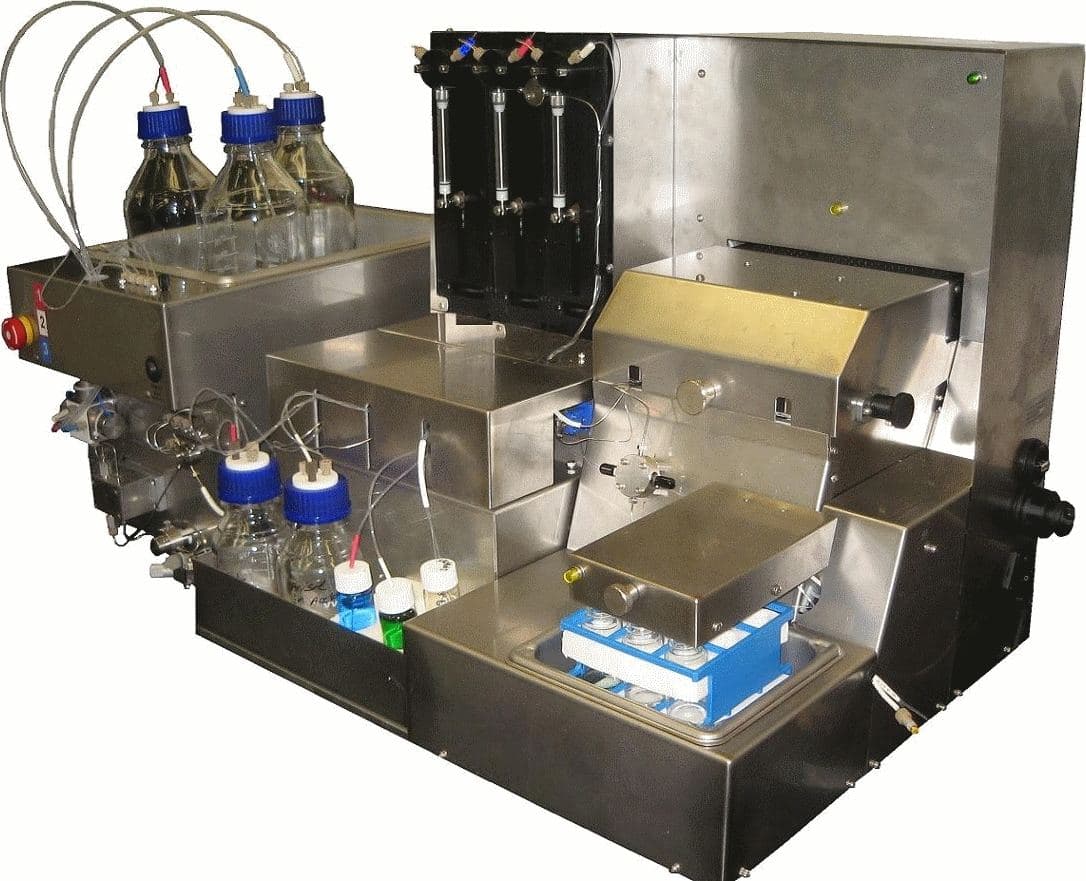
Technical Note: On the Selection of Precooling Loops for Low-Temperature Continuous Flow Chemistry
James A. K. Cochrane, Raminder S. Mulla · Organic Process Research & Development · 22 Oct 2026
In cryogenic flow chemistry, the reagent streams usually pass through a length of tubing in the cold bath, a "precooling loop", before they meet. How long that loop needs to be has rarely been measured. This technical note from Sygnature Discovery studies it systematically. • The authors measured how flow rate, residence time and tubing internal diameter affect cooling, for several tubing types commonly used in flow chemistry, with tetrahydrofuran (THF) and 2-methyltetrahydrofuran (2-MeTHF) as solvents. • From the results they suggest minimum residence times for effective precooling, and derive a general model that agreed reasonably with experiment and may help estimate precooling times for other solvents. • Tests with lithiation of aryl bromides in flow showed the limits: precooling matters, but it is not the only factor in keeping extremely reactive species stable. Why it matters: organolithium and other low-temperature steps are common in Indian API and intermediate plants, and they are a natural target for flow chemistry because flow keeps the reactive inventory small. Simple rules for sizing precooling loops help process teams move these steps from batch to flow with fewer trial runs. Photo: a laboratory flow-chemistry system (representative). Jankhughes, CC BY-SA 3.0, via Wikimedia Commons.
Read full paper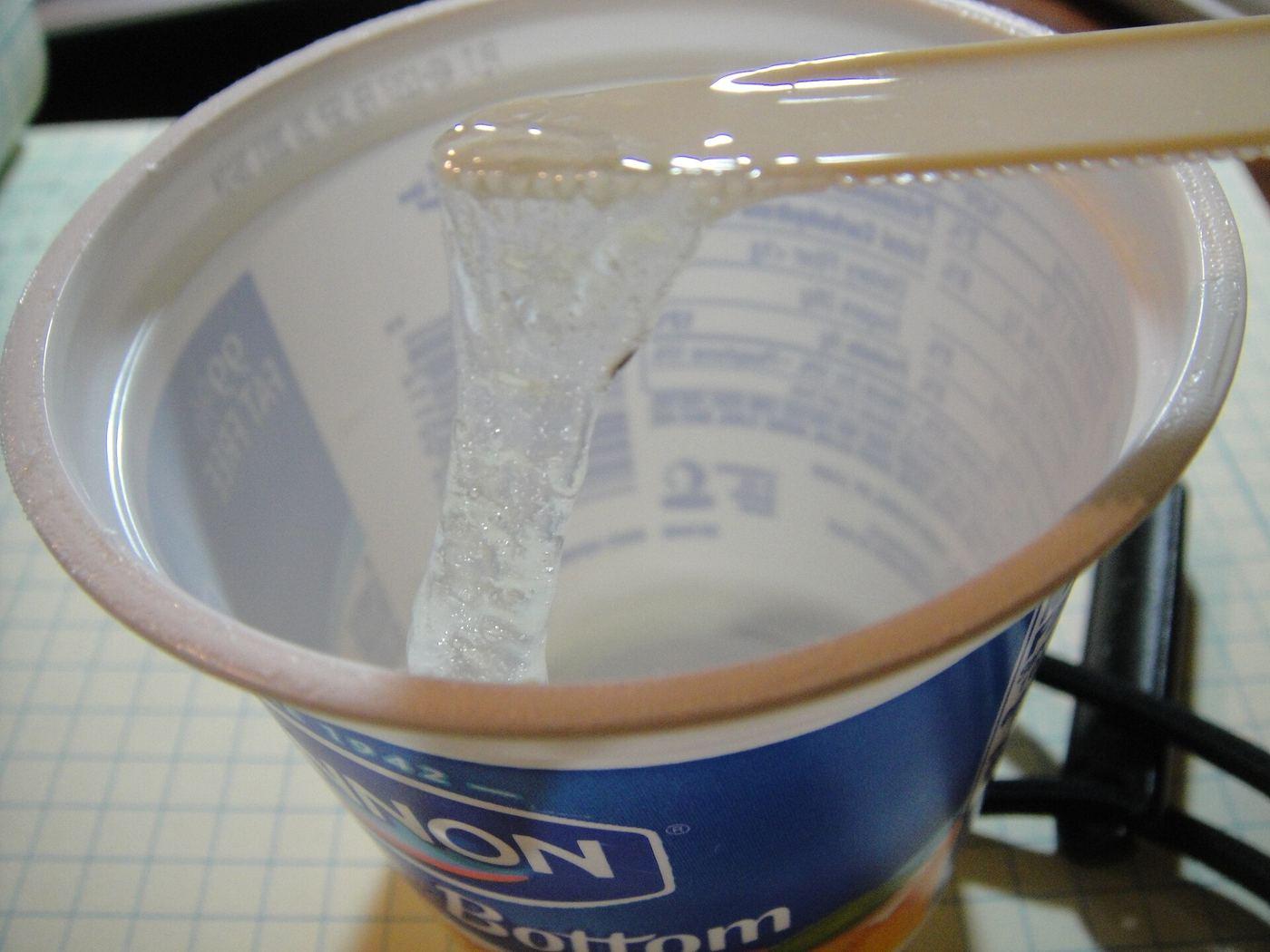
One-Pot Green Synthesis of Low-Viscosity Acetal Epoxy Resins for Diluent-Free Industrial Processing and Closed-Loop Recycling of Carbon Fiber Composites
Dehang Yang, Shuai Du, Shanshan Dai, Fengyuan Zhang, Songqi Ma · ACS Sustainable Chemistry & Engineering · 21 Oct 2026
Recyclable epoxy resins usually need complex synthesis, are too viscous for vacuum-assisted resin infusion (the main process for wind-turbine blades and aerospace parts), and do not recover every component. This paper reports a one-pot synthesis of a new acetal epoxy resin (BCAE) that addresses all three. • The one-pot route needs no intermediate purification. • BCAE has a viscosity of 1.9 Pa·s at 25 °C, 6.7 times lower than standard bisphenol A diglycidyl ether (DGEBA), so carbon-fibre composites can be infused without a diluent. • Cured resin can be reprocessed by heat without a catalyst, and degraded with mild acid at ambient conditions. • Carbon fibres were recovered with 96.7% strength retention; the benzaldehyde monomer was recycled to make fresh resin with the same performance; and the amine polyol by-product was reused as a curing agent for commercial epoxies. • Life-cycle assessment found closed-loop recycling cuts CO2-equivalent emissions by about 79% compared with incineration. Why it matters: India's wind-blade makers use large volumes of epoxy and face growing end-of-life questions. A low-viscosity resin that can be recycled back to monomer is worth tracking for blade and composite producers and for epoxy suppliers. Photo: epoxy resin and hardener being mixed. Dzhang2680, CC BY-SA 3.0, via Wikimedia Commons.
Read full paper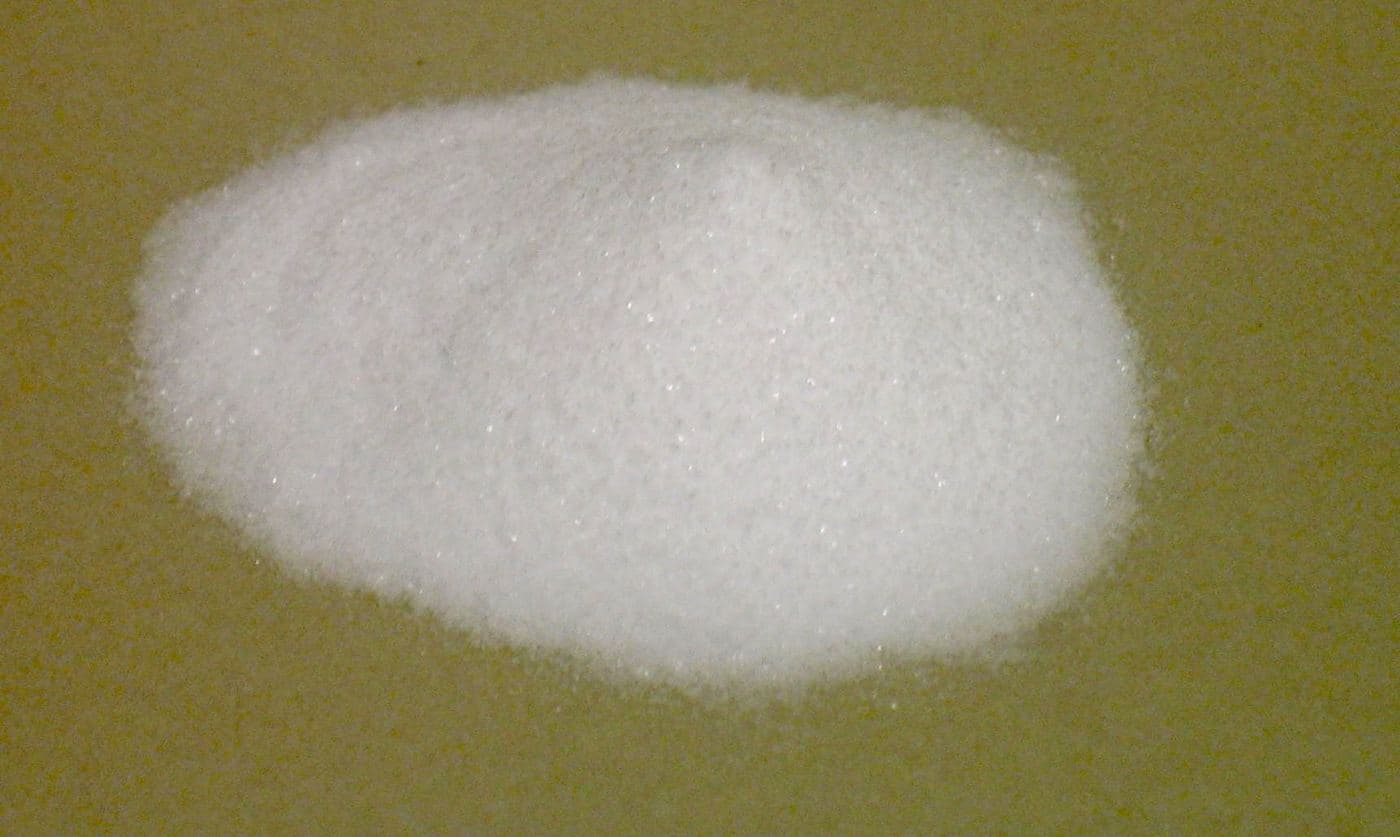
Continuous Production of High-Purity NaHCO3 via Carbonation of NaOH: Thermodynamic Analysis and Two-Stage Reactor Design
Jihwan Park, Sangwon Kim, Kyung Tae Park, Ji Chul Jung · Industrial & Engineering Chemistry Research · 16 Oct 2026
Can carbon dioxide from flue gas be turned into a saleable chemical? This study, from POSCO's iron and steel process research group and Myongji University, makes high-purity sodium bicarbonate (NaHCO3) continuously by bubbling CO2 through caustic soda (NaOH) solution. Using simulated flue gas and real-time pH and conductivity monitoring, the authors identified four reaction stages. Thermodynamic analysis with the Na2CO3–NaHCO3–H2O phase diagram showed: • At 20 wt% NaOH and above, metastable by-products such as trona and sodium carbonate form and lower the purity. • At 10–15 wt% NaOH, pure NaHCO3 precipitates selectively. • A two-reactor series design separates the fast carbonate-forming step from the slower bicarbonate formation and crystallisation. At 15 wt% NaOH and 25 °C it ran at steady state, producing 0.72 kg/h of high-purity NaHCO3 — 0.36 kg per litre per hour from a 2-litre system. Why it matters: chlor-alkali producers make caustic soda, and many plants emit CO2. Turning the two into high-purity sodium bicarbonate is a practical CO2-utilisation route — and the 10–15% concentration window is a useful design rule for anyone scaling it up. Photo: sodium bicarbonate powder. Thavox, public domain, via Wikimedia Commons.
Read full paper
K2CO3-Promoted CuCl Catalyst for the Direct Synthesis of Trimethoxysilane from Si and CH3OH
Yuenan Li, Yongxia Zhu, Jiajian Gao, Lili Zhang, Ziyi Zhong, Fabing Su · Industrial & Engineering Chemistry Research · 16 Oct 2026
Trimethoxysilane (HSi(OCH3)3) is made directly from silicon metal and methanol over a copper(I) chloride (CuCl) catalyst. Getting both high silicon conversion and high selectivity to trimethoxysilane has been hard. This study, by researchers from the Chinese Academy of Sciences, Shenyang University of Chemical Technology, GTIIT and A*STAR, adds potassium carbonate (K2CO3) to the catalyst by ball milling. • At 240 °C the promoted catalyst gave 92.6% selectivity to trimethoxysilane and 77.3% silicon conversion — better than plain CuCl under the same conditions. • K2CO3 keeps copper in its low-valence form, which helps form the active Cu3Si phase during activation. • With methanol present, a K3Cu5O4 mixed oxide forms and stops the active parts from clumping together. • K2CO3 also neutralises by-product hydrogen chloride (HCl), which would otherwise poison the catalyst. Why it matters: trimethoxysilane is the starting point for many silane coupling agents used in adhesives, sealants, coatings, rubber and glass-fibre treatment. A cheap promoter that raises yield from the same silicon and methanol could lower the cost of these silanes for Indian formulators. Photo: a lump of silicon metal. Fernando Losada Rodríguez, CC BY-SA 4.0, via Wikimedia Commons.
Read full paper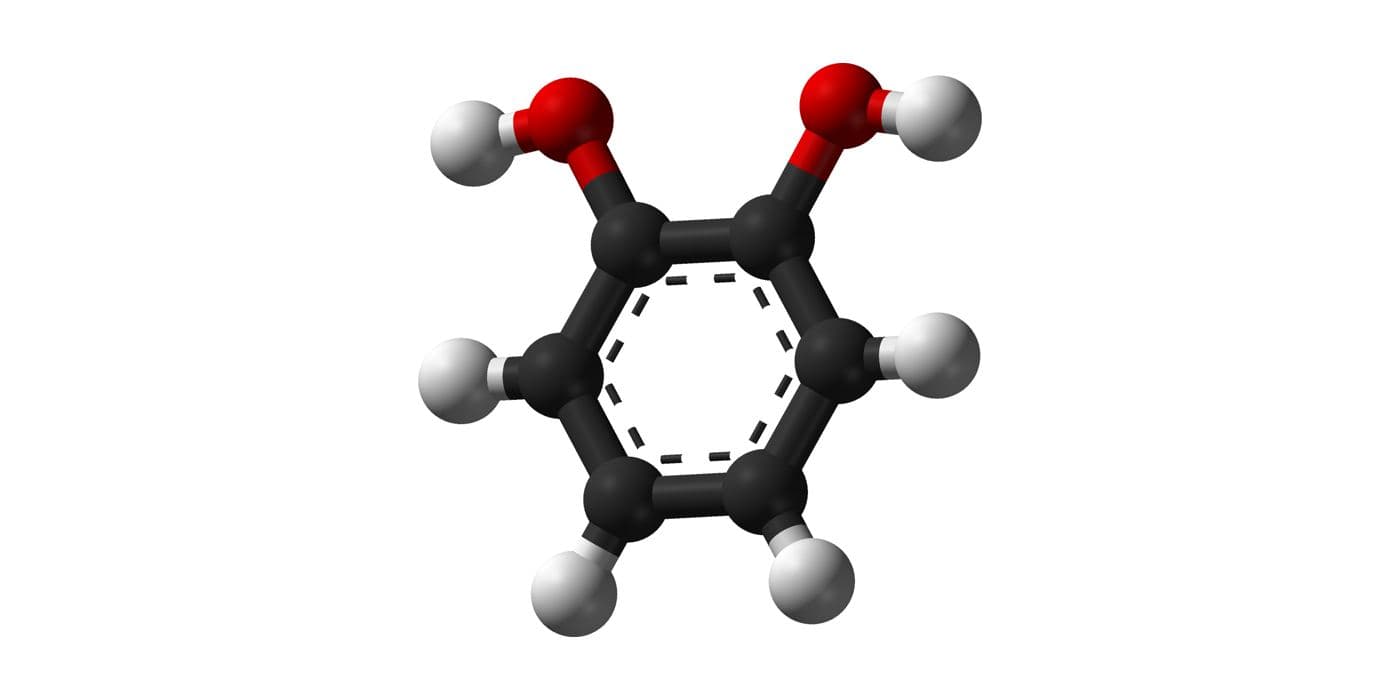
Efficient Catechol Production from 2-Acetylfuran in Subcritical Water with ZnCl2 as a Lewis-Acid Catalyst
Stef Ghysels, Hero Jan Heeres, Peter J. Deuss · ACS Sustainable Chemistry & Engineering · 15 Oct 2026
Catechol (1,2-benzenediol) is made today mainly from benzene: phenol by the Hock (cumene) process, then hydroxylation of phenol to catechol. This study, from Ghent University and the University of Groningen, revisits a long-neglected bio-based route: rearranging 2-acetylfuran, a furan that can be obtained from biomass (for example by dehydrating sorbitol), into catechol in subcritical water. Because the reaction is essentially a rearrangement, it can make better use of the starting material than routes based on breaking down lignin or on fermenting glucose. The authors optimised temperature, time and zinc chloride (ZnCl2) catalyst level: • Best result: 52% catechol yield at 82% conversion and 61% selectivity — about ten times the yield reported before. • Conditions: 2.4 mol% ZnCl2, 310 °C, 366 minutes. • The mass balance closed at 92–93%. Acetic acid was the main by-product, and catechol itself hardly degraded under these conditions. Why it matters: catechol is a building block for agrochemicals, flavours such as vanillin, and pharmaceutical intermediates, and today it depends on benzene. A biomass route is still at the laboratory stage, but buyers who need a bio-based or lower-carbon catechol should follow this line of work. Photo: 3D ball-and-stick model of catechol (pyrocatechol). Public domain, via Wikimedia Commons.
Read full paper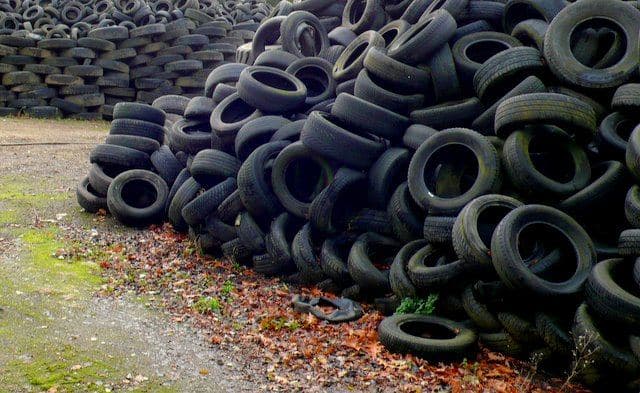
Cystamine Coupling Agent-Modified Waste Tire-Derived Pyrolysis Carbon Black as a High-Performance Rubber-Reinforcing Filler
Haihuan Wei, Wenli Liu, Qishuai Zhang, Yanzhi Sun, Yongmei Chen, Junqing Pan · Industrial & Engineering Chemistry Research · 15 Oct 2026
Pyrolysis of waste tyres leaves a carbon black (CBp) that could replace virgin carbon black in rubber — but its high ash content, low surface activity and weak reinforcement have limited its use. This study from Beijing University of Chemical Technology uses cystamine as a new coupling agent to fix that. The amino groups of cystamine react with oxygen-containing groups on de-ashed pyrolysis carbon black, while its disulfide bonds cross-link with rubber chains — a molecular bridge between filler and natural rubber. • Stress at 300% elongation rose from 8.1 to 14.5 MPa, better than N660 commercial carbon black (12.7 MPa). • The loss factor (tan δ) fell to 0.033. • Cross-link density rose from 0.27 to 0.43 mmol/cm³, and bound rubber from 30.26% to 54.46%. Why it matters: tyre-pyrolysis units look for higher-value outlets for their recovered carbon black. A coupling agent that lifts it past N660 performance could open sales to rubber-goods makers — and gives carbon-black buyers a recycled option to test. Photo (representative): stacks of scrap tyres. Nigel Mykura, CC BY-SA 2.0, via Wikimedia Commons.
Read full paper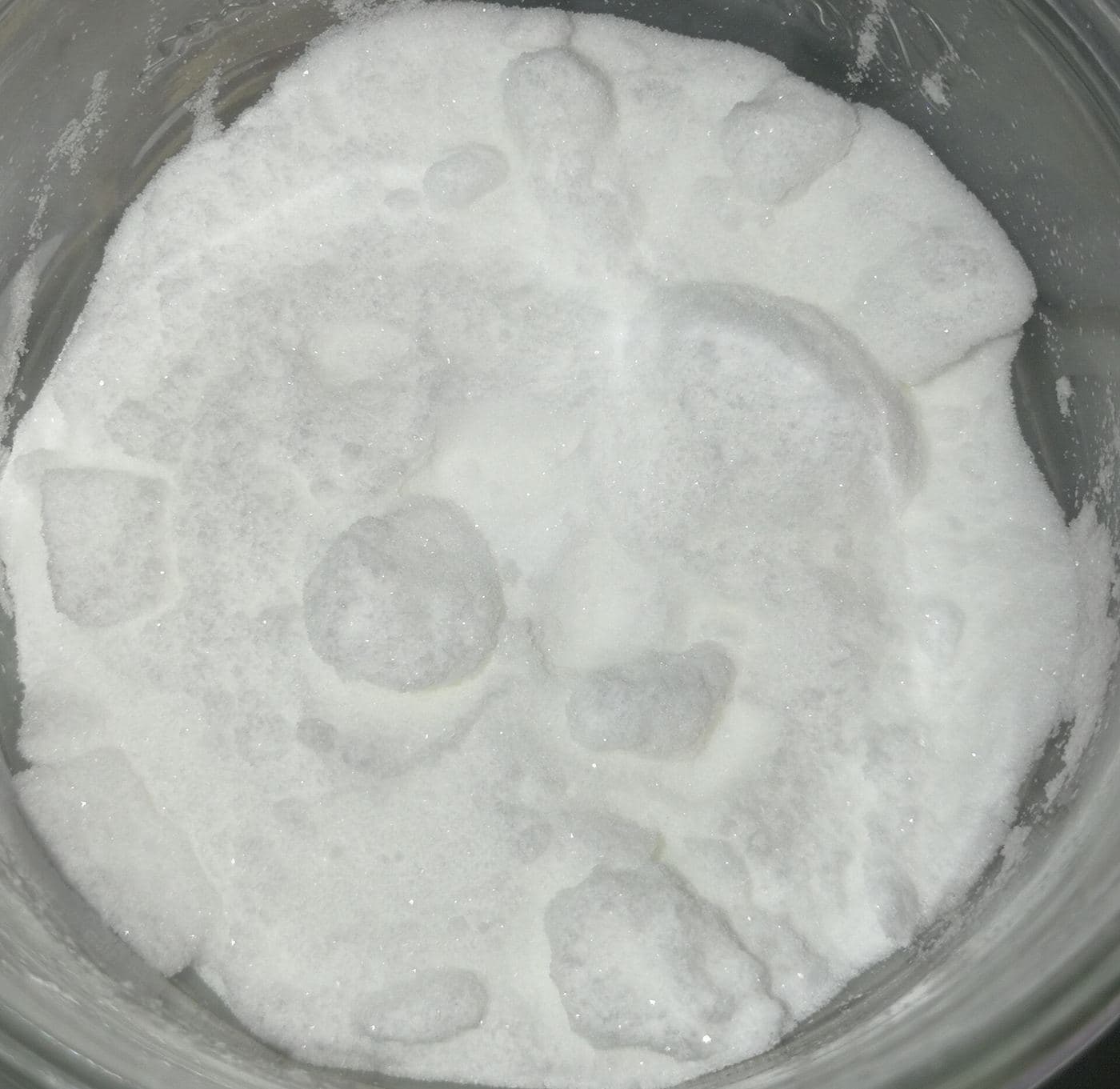
Continuous-Flow Synthesis of Diisopropyl Xanthogen Disulfide with a Coiled Microreactor
Wan-Jun Qin, Huan Yang, Xing-Jian Li, Xiao Wang · Industrial & Engineering Chemistry Research · 15 Oct 2026
Diisopropyl xanthogen disulfide (DIP) is an industrially important fine chemical. This study from Nanjing University makes it continuously in a coiled microreactor, using potassium persulfate as the oxidant. • The flow process matched the batch yield in 7.8 minutes instead of 30, nearly doubling the space–time yield. • Comparison with a split-and-recombine microreactor, backed by computational fluid dynamics, showed the two reactor types transport material differently. • Two independent 12-hour runs operated stably. • Sizing up to a 10-fold higher flow rate gave DIP in 86% isolated yield. Why it matters: for makers of xanthogen disulfides and similar persulfate oxidations, shorter reaction times, steady quality over long runs and a smaller hold-up of oxidant in the reactor are the practical gains of moving from batch to flow. Photo: potassium persulfate, the oxidant used in the study. TimJW12, CC BY-SA 4.0, via Wikimedia Commons.
Read full paper
Thermodynamic Insights and Multiobjective Optimization for Toluene/Acetonitrile/Hexane Ternary System under Varying Feed Compositions
Yuchen Zhao, Shuang Yang, Jinlong Li, Qian Yang, Qing Ye · Industrial & Engineering Chemistry Research · 15 Oct 2026
Mixed waste streams of toluene, acetonitrile and hexane form azeotropes and are hard to separate. Earlier work looked at fixed feed compositions or a single column layout; this paper designs separation processes across the full range of compositions. The authors split the possible feeds into two regions and propose a different heterogeneous azeotropic distillation layout for each: a direct-separation process for one region, and for the other a conventional process plus two variants with partial reflux of the hexane-rich or other phase. Each design was optimised for total annual cost, CO₂ emissions and exergy loss. • For a feed of 40% hexane, 40% toluene and 20% acetonitrile, the optimised direct-separation process had a total annual cost of about $459,000, an exergy loss of 343.8 kW and CO₂ emissions of 458 kg per hour. • For a feed of 30% hexane, 40% toluene and 30% acetonitrile, the best variant cut cost by 34.5%, CO₂ emissions by 39.5% and exergy loss by 41.6% compared with the conventional process. Why it matters: toluene, acetonitrile and hexane are everyday solvents in Indian API and fine-chemical plants. For solvent recovery units, the message is that the right column layout depends on what is actually in the waste stream — and choosing it well can cut recovery cost by about a third. Photo (representative): laboratory distillation of toluene. Rifleman 82, public domain, via Wikimedia Commons.
Read full paper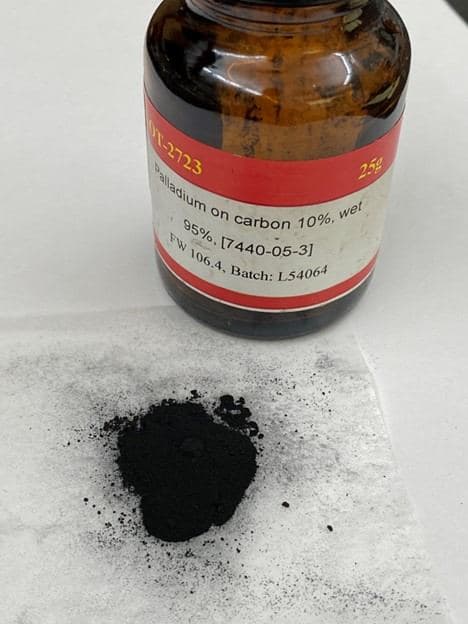
Maximizing Pd/C Hydrogenation Performance with Continuous Flow CSTR Cascades at Ambient Pressure
Samarth P. Singh, William P. Hems, Shusaku Asano, Jonty A. M. Thornton, Nikolay Cherkasov · Organic Process Research & Development · 14 Oct 2026
Hydrogenation over palladium on carbon (Pd/C) is one of the most common steps in fine-chemical and pharmaceutical manufacturing, but running it continuously usually means fixed catalyst beds or high-pressure equipment. This study runs it at ambient pressure in a vertical cascade of ten continuously stirred tank reactors (CSTRs). The catalyst is fed as a suspended slurry together with hydrogen gas, so no catalyst immobilisation is needed. Active stirring in every stage keeps the mixture well mixed. • Under optimised conditions the system reached 80% conversion of ethyl cinnamate in a residence time of 4.7 minutes. • Apparent gas–liquid mass-transfer coefficients (kLa) were 1,000–5,000 per hour — comparable to advanced microreactors. • Because the reactor volume is larger, productivity was higher than microstructured reactors at ambient pressure. Why it matters: Indian API and intermediate makers run many batch hydrogenations under pressure. A slurry-fed CSTR cascade at atmospheric pressure is a simpler route to continuous operation, uses the same Pd/C catalyst they already buy, and reduces the hydrogen inventory and pressure hazards on the plant floor. Photo: palladium on carbon catalyst. Marbletan, CC0, via Wikimedia Commons.
Read full paper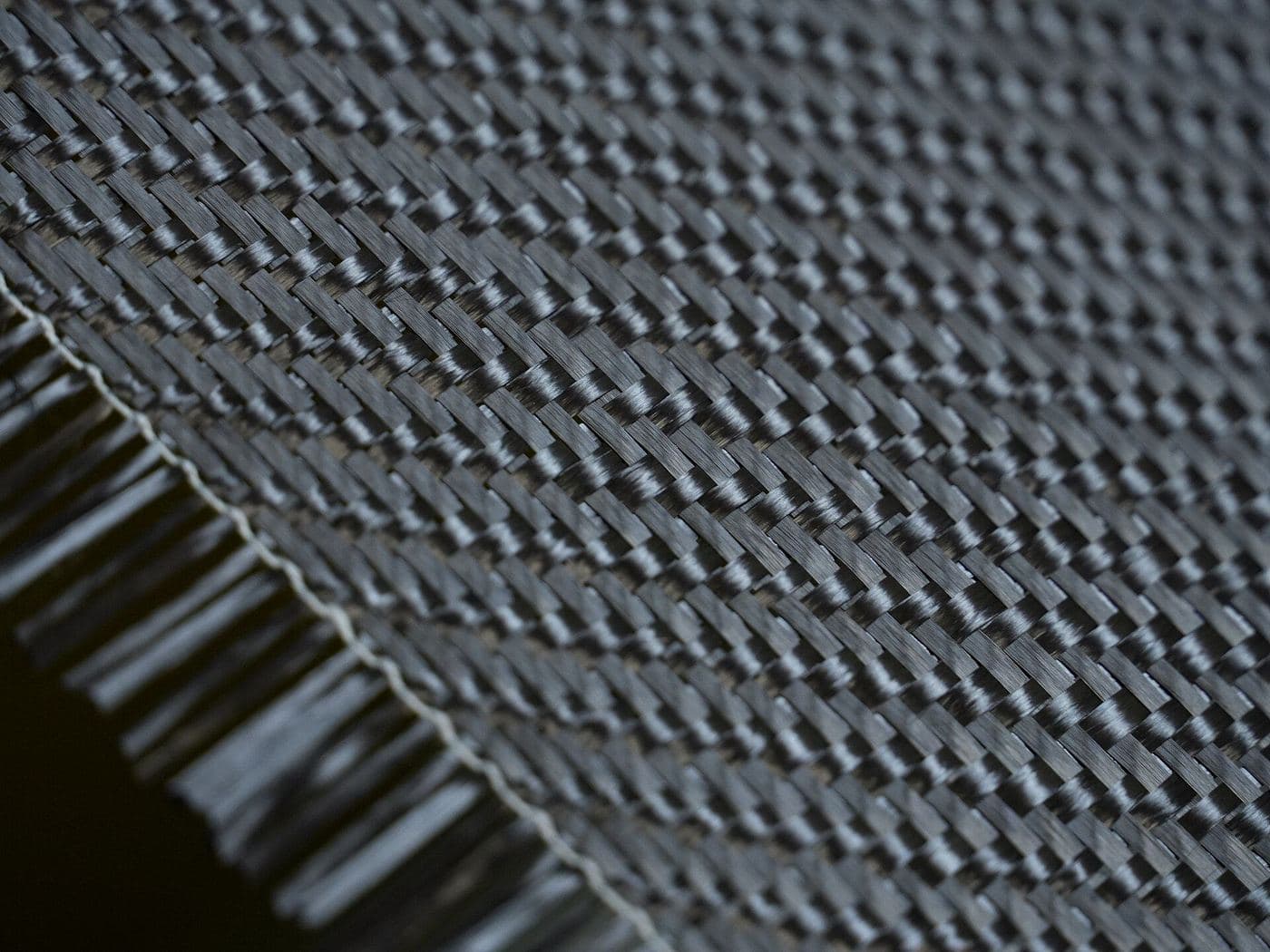
Benzaldehyde Is the Redox Mediator for Aerobic C–N Cleavage in Epoxy Composite Recycling
Zehan Yu, Ding-Yuan Lim, Andrew R. Rander, Travis J. Williams, Steven R. Nutt · Journal of the American Chemical Society · 12 Oct 2026
Cured epoxy composites are built not to come apart, which is why wind blades and carbon-fibre parts are so hard to recycle. This paper explains why one known chemical recipe works — and that opens the way to improving it. The recipe uses tripotassium phosphate in benzyl alcohol. It was developed in 2008 for anhydride-cured epoxies and has since been used on amine-cured ones, but nobody had explained why it works there, or why exposure to air seemed essential. The authors show that benzaldehyde, formed in the mixture from benzyl alcohol, is the key: it enables selective breaking of the carbon–nitrogen bonds that hold the cured resin together, by a mechanism not described before. Further steps then release bisphenol A and the linking diamines from the resin. Carbon-fibre fabrics, and even glass-fibre fabrics, survive the treatment, and recovered carbon-fibre fabric was remade into second-generation composites with near-virgin quality and mechanical performance. Why it matters: recovering both the fibre and the resin chemicals — bisphenol A and diamines — is what could make composite recycling pay. For epoxy resin and hardener suppliers, and for makers of wind blades and automotive composites, this is a route to watch as recycling requirements tighten. Photo: woven carbon-fibre fabric. Acheolg, CC BY-SA 4.0, via Wikimedia Commons.
Read full paper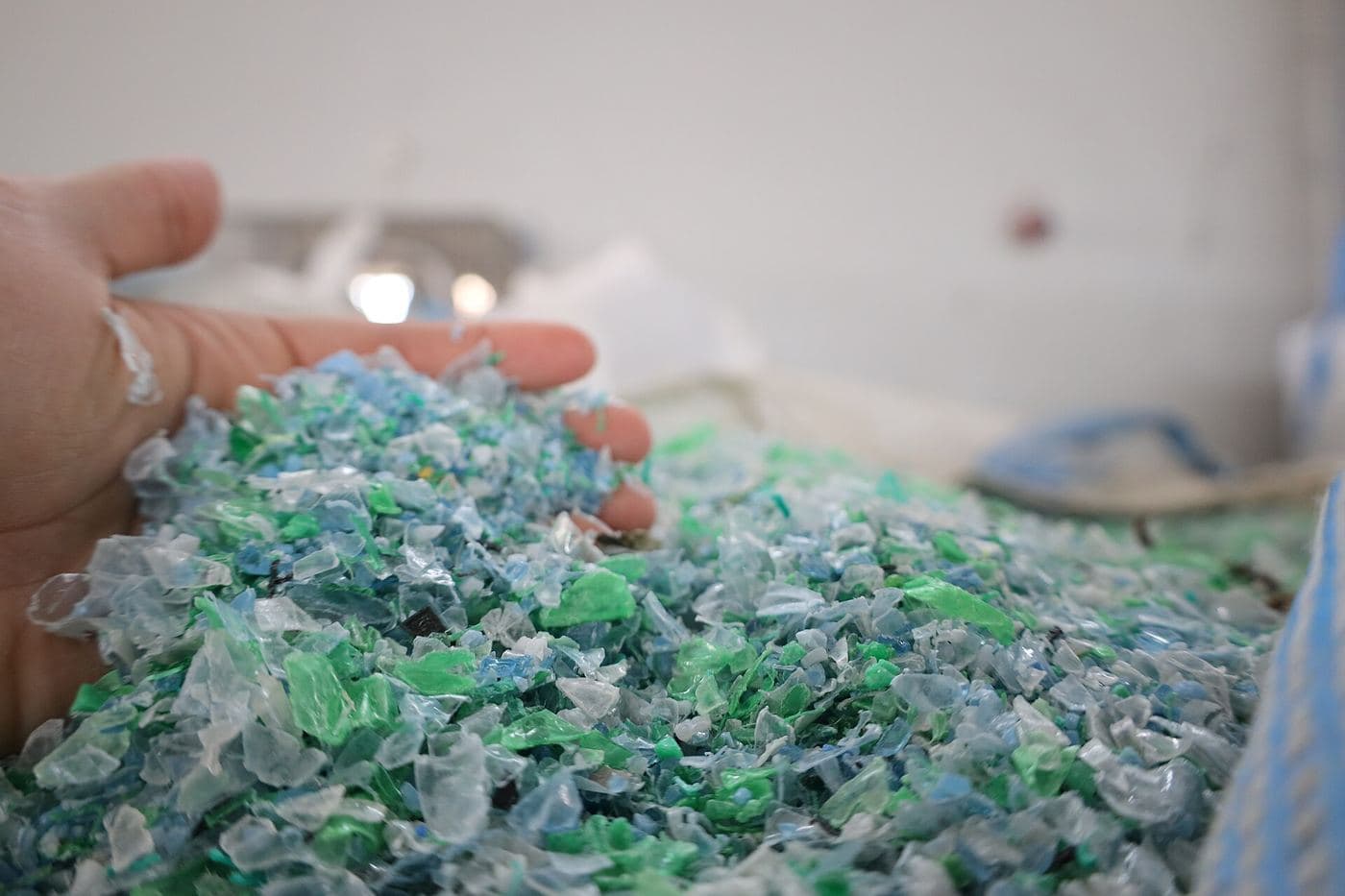
Population-Balance Modeling of Oligomer Evolution and Reactor-Configuration Effects in Poly(ethylene terephthalate) Glycolysis
Shu-Qi Zhang, Xiao-Sa Liu, Fan Ju, Jing-Yi Yang, Zi-Bin Huang, Pei-Qing Yuan · Industrial & Engineering Chemistry Research · 11 Oct 2026
Glycolysis breaks waste PET back down with ethylene glycol into BHET (bis(2-hydroxyethyl) terephthalate), which can be repolymerised. Conversion and BHET yield alone do not show the mix of short chains (oligomers) left behind — and that mix decides how hard the product is to purify and how reactors should be arranged. The authors built a model that tracks chain length during zinc acetate-catalysed glycolysis in ethylene glycol, covering both the solid PET and the liquid phase. Calibrated at 140–180 °C, it reproduced measured conversion and BHET yield closely. At 220 °C and the same reactor volume, replacing one stirred tank with a plug-flow reactor raised BHET yield from 74.5% to 82.2% and cut residues longer than four repeat units by 99.81%. Two stirred tanks captured 65.7% of that gain; a two-tank plus plug-flow hybrid captured 96.6%. Why it matters: for anyone planning a glycolysis unit — and for MEG and catalyst suppliers to it — the paper shows that reactor arrangement, not just temperature and catalyst, drives yield and BHET purity. Photo: PET flakes from shredded bottles. TOP PLASTIC, CC BY-SA 4.0, via Wikimedia Commons.
Read full paper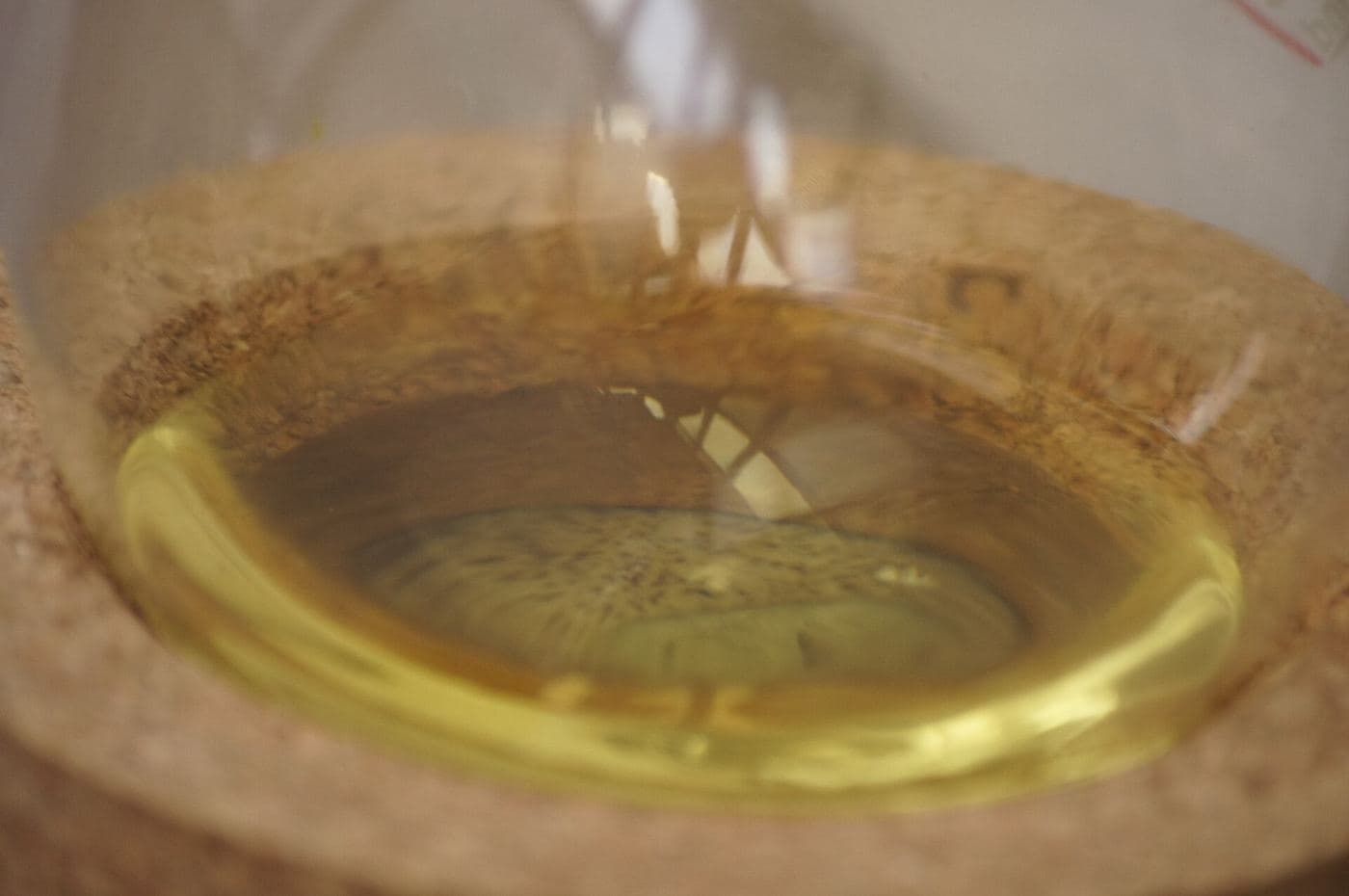
Explosion Risk of a Nitration System Triggered by Coolant Leakage
Hongfei He, Xinggui Zhou, Min Sheng · Organic Process Research & Development · 9 Oct 2026
Continuous-flow and microchannel reactors make nitration safer by holding less hazardous material and removing heat better. But their short residence times can call for highly concentrated fuming nitric acid — and the coolant running right next to the process stream is usually assumed to be inert. This study asks what happens if that coolant leaks in. Using differential scanning calorimetry, an anti-explosive reaction calorimeter and an accelerating rate calorimeter, the authors tested fuming nitric acid above 95 wt% against three common coolants: potassium formate solution, ethylene glycol solution and calcium chloride brine. • Potassium formate reacted fastest at first and produced the most intense gas generation, releasing about 572–620 J/g. • Ethylene glycol released the most heat overall — about 3,123–3,236 J/g. Under near-adiabatic conditions its apparent onset was near −10 °C, with a maximum self-heating rate of about 2,400 °C per minute. • Calcium chloride brine showed limited reactivity, mostly mixing and dilution effects. The authors conclude that reactive coolant ingress can rapidly create local hot spots and pressure build-up — especially critical in compact flow reactors with small channels — and their data give guidance on coolant selection and on how severe a leak scenario could be. Why it matters: glycol-water is a common plant coolant. If your process runs strong nitric acid, treat a coolant-side leak as a reaction hazard in your HAZOP, not only as a loss of cooling — and consider brine where the acid could meet the coolant. Photo: yellow fuming nitric acid. Aleksander Sobolewski, CC BY-SA 4.0, via Wikimedia Commons.
Read full paper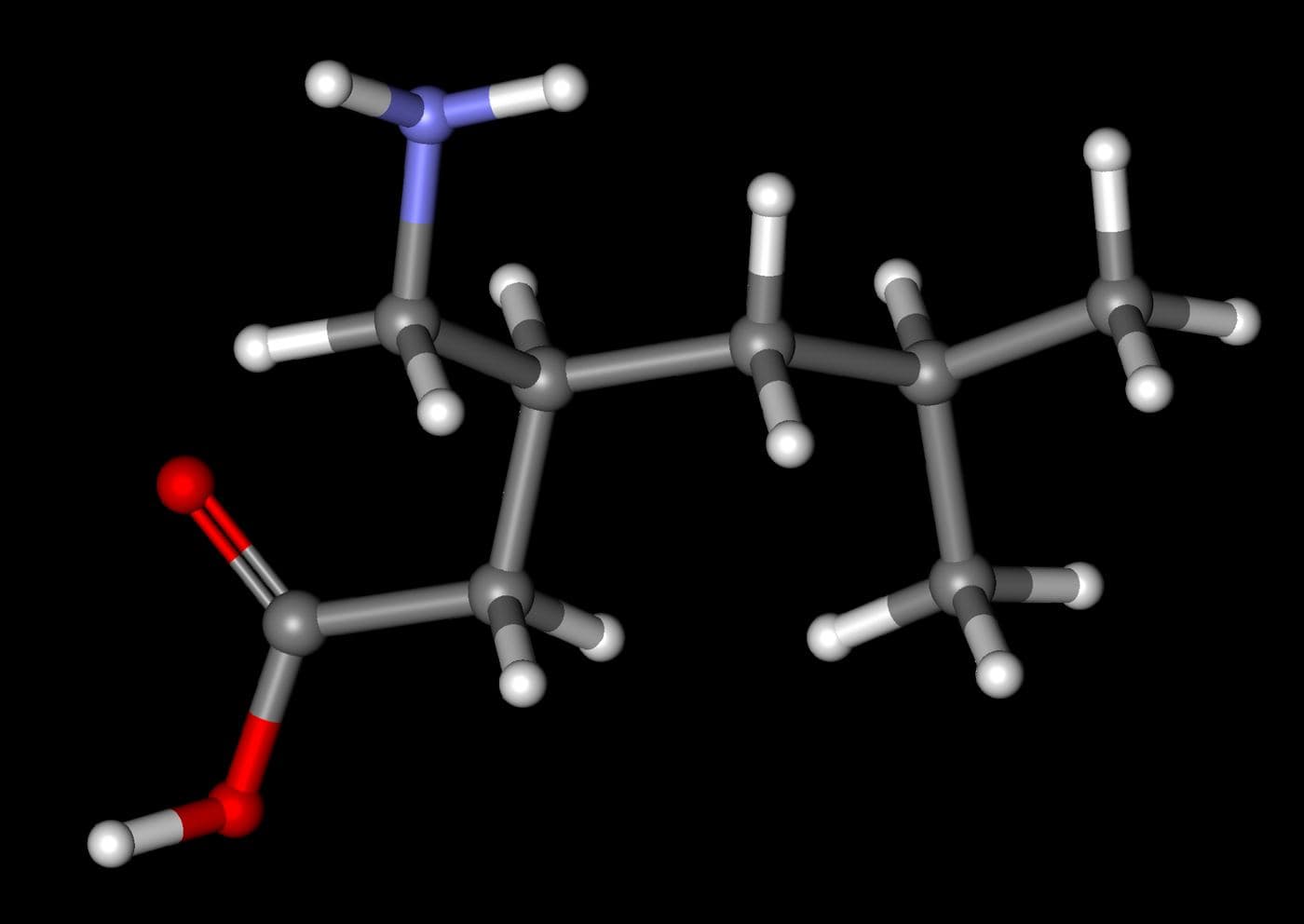
Solvent Selection and in Silico Process Design for the Development of Cost-Effective Yet Green Crystallization for Pregabalin Manufacturing
Matthew Blair, Dimitrios I. Gerogiorgis · Organic Process Research & Development · 2 Oct 2026
Choosing a crystallisation solvent for a drug usually means many candidates and too little time to test them all in the lab. This paper shows how to screen them on the computer first. The authors model each candidate as a simple solid–liquid equilibrium problem using established thermodynamic models — no crystallisation kinetics needed — and then compare total plant cost and environmental impact (process mass intensity and scope-1 and -2 CO₂ emissions) for crystallising pregabalin, a drug for epilepsy, anxiety and neuropathic pain. Methanol–water and isopropanol–water came out as the best systems, both better than any single solvent. Methanol–water gave a 3.2% lower plant cost than isopropanol–water, but 25% higher emissions. Why it matters: pregabalin is a widely made generic API. The result supports mixed water–alcohol systems over pure solvents, and the trade-off between methanol (cheaper) and IPA (lower emissions) is the kind of choice buyers in export markets are starting to ask about. Photo: ball-and-stick model of the pregabalin molecule. MarinaVladivostok, CC0, via Wikimedia Commons.
Read full paper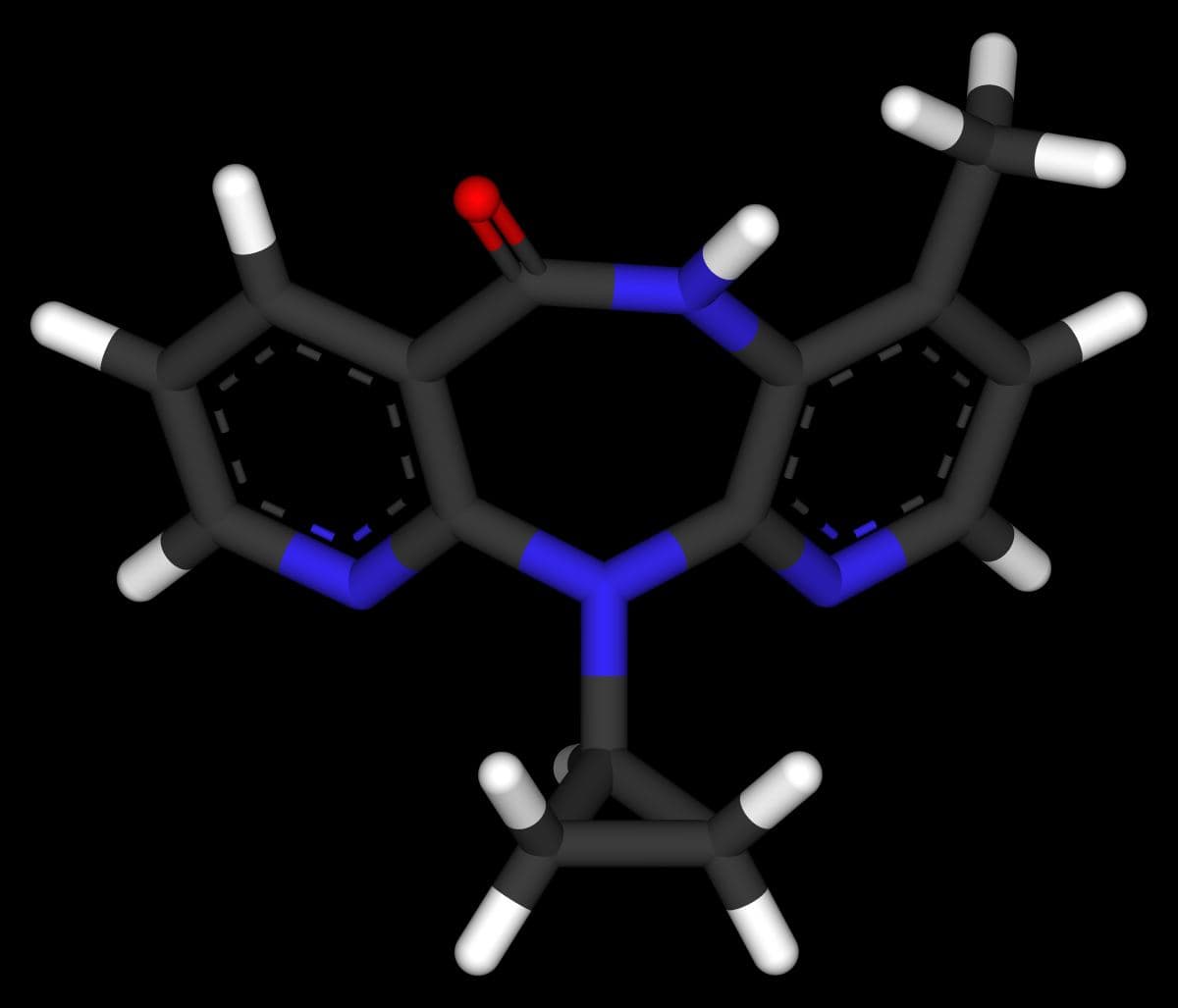
Telescoped Two-Step Continuous-Flow Synthesis of Nevirapine Enabled by the On-Demand Generation of NaHMDS
Maksim Vasilev, Rajasekar Reddy Annapureddy, Chengfeng Ye, Sridhar Regati, Praveen Kumar Gajula, Jonathan Bietsch, Zhirui Wang, Jack D. Brown, Gopal Sirasani, Aravind S. Gangu, Paul Guo, Bo Qu, Chris H. Senanayake · Organic Process Research & Development · 1 Oct 2026
Nevirapine is a key HIV-1 medicine, widely produced by generic manufacturers. This work describes a fully continuous, telescoped two-step synthesis that goes from methyl 2-(cyclopropylamino)nicotinate and 2-chloro-3-amino-4-picoline to nevirapine without isolating the cyclisation intermediate. The process uses sodium bis(trimethylsilyl)amide (NaHMDS) — for the first time — as a homogeneous, process-friendly base for both steps, instead of the sodium hydride (NaH) used in the current commercial route. • Total residence time: 10 minutes. • Crude nevirapine in 91.9% overall isolated yield, at about 365 g per hour per litre and 99.6 area% HPLC purity. • The team also generated NaHMDS on demand (up to about 2.0 M in diglyme) in a sodium packed-bed column. With this base, the yield was 90.7% at about 340 g/h/L and 99.5 area% purity. Why it matters: replacing a sodium hydride slurry with a homogeneous base removes a solid-handling and hydrogen-evolution hazard, and the authors present the route as scalable and cost-effective — directly relevant to Indian API makers supplying antiretrovirals. Image: 3D model of the nevirapine molecule. Fvasconcellos, public domain, via Wikimedia Commons.
Read full paper
Nitrite-Driven Nitrosamine Formation in Pharmaceutical Systems: A Water-Mediated Risk Framework and Control Strategies
Santosh Bhende, Atul Phatak, Pravin Chaudhari · European Journal of Parenteral and Pharmaceutical Sciences (EJPPS) · 29 Sept 2026
Most nitrosamine investigations start with the API and its amines. This review argues that the water in the plant deserves just as much attention. N-nitrosamines are genotoxic impurities that form when nitrosating agents — especially nitrite — react with amine precursors under favourable conditions. The authors review the chemistry (classical acid-catalysed nitrosation as well as chloramine-mediated and oxidative routes) and focus on how pharmaceutical water — its source, purification process, pH, temperature and moisture — can drive nitrosamine formation even at very low nitrite levels. They also review analytical methods for ultra-trace nitrosamine and nitrite measurement (LC-MS/MS, GC-MS and high-resolution MS) and risk-based controls: nitrite control, water-quality management, raw-material assessment, process optimisation and lifecycle monitoring. The key gap they identify: pharmacopoeial standards do not define nitrite limits for pharmaceutical water. For suppliers of excipients, solvents and water-treatment chemicals, expect more customers to ask for nitrite data on certificates of analysis. Photo (representative): tablet blister packs. Tarasna0922, CC BY-SA 4.0, via Wikimedia Commons.
Read full paper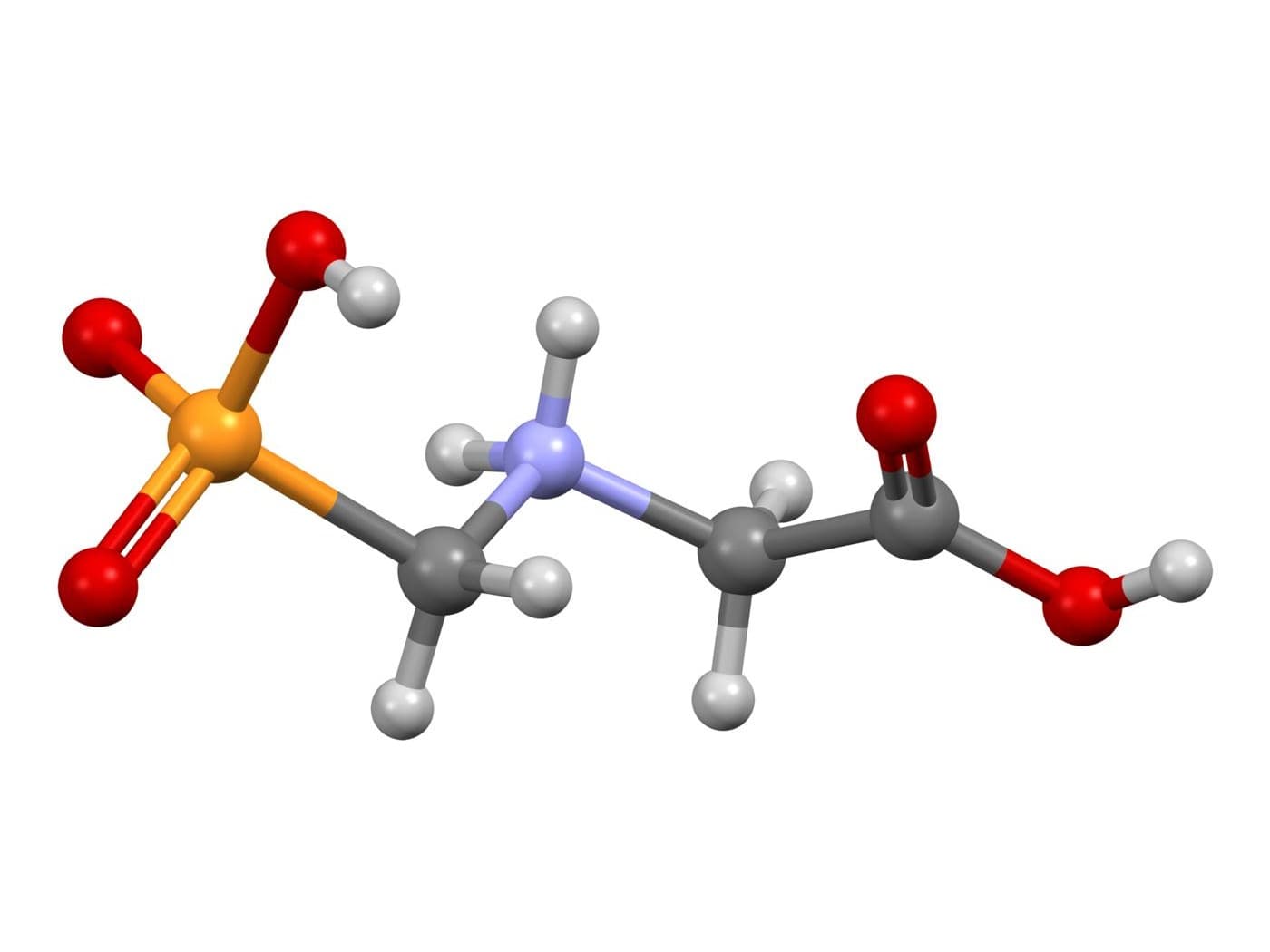
Fragment-Based Design of Pesticide-Like Molecules: From Method Development to Agrochemical Discovery
Xing-Xing Shi, Zhi-Zheng Wang, Ruo-Qi Yang, Fan Wang, Guang-Fu Yang · Accounts of Chemical Research · 28 Sept 2026
Pest resistance is rising and regulatory safety margins are tightening, so the agrochemical pipeline needs new molecules faster than traditional screening can deliver them. Conventional agrochemical discovery screens compounds against whole organisms — slow, labour-intensive and expensive. This account describes how fragment-based design, a target-based approach developed mainly in pharma, can be adapted to agrochemicals: small molecular fragments that bind to discrete pockets of a target protein are optimised and combined fragment by fragment, opening up new chemical space for bioactive scaffolds. Growing numbers of solved agrochemical target structures, plus fast-improving protein structure modelling, make this practical. But agrochemicals have their own constraints that pharma tools don't address — photostability, ecotoxicity and bioavailability in plants and pests — so fragment libraries and scoring need to reflect pesticide-like properties. Why it matters: faster, more targeted discovery means more novel, lower-dose actives reaching the market — and new intermediates for Indian custom synthesis and contract manufacturing companies to make. Photo (representative): 3D model of glyphosate, a widely used herbicide. Ben Mills, public domain, via Wikimedia Commons.
Read full paper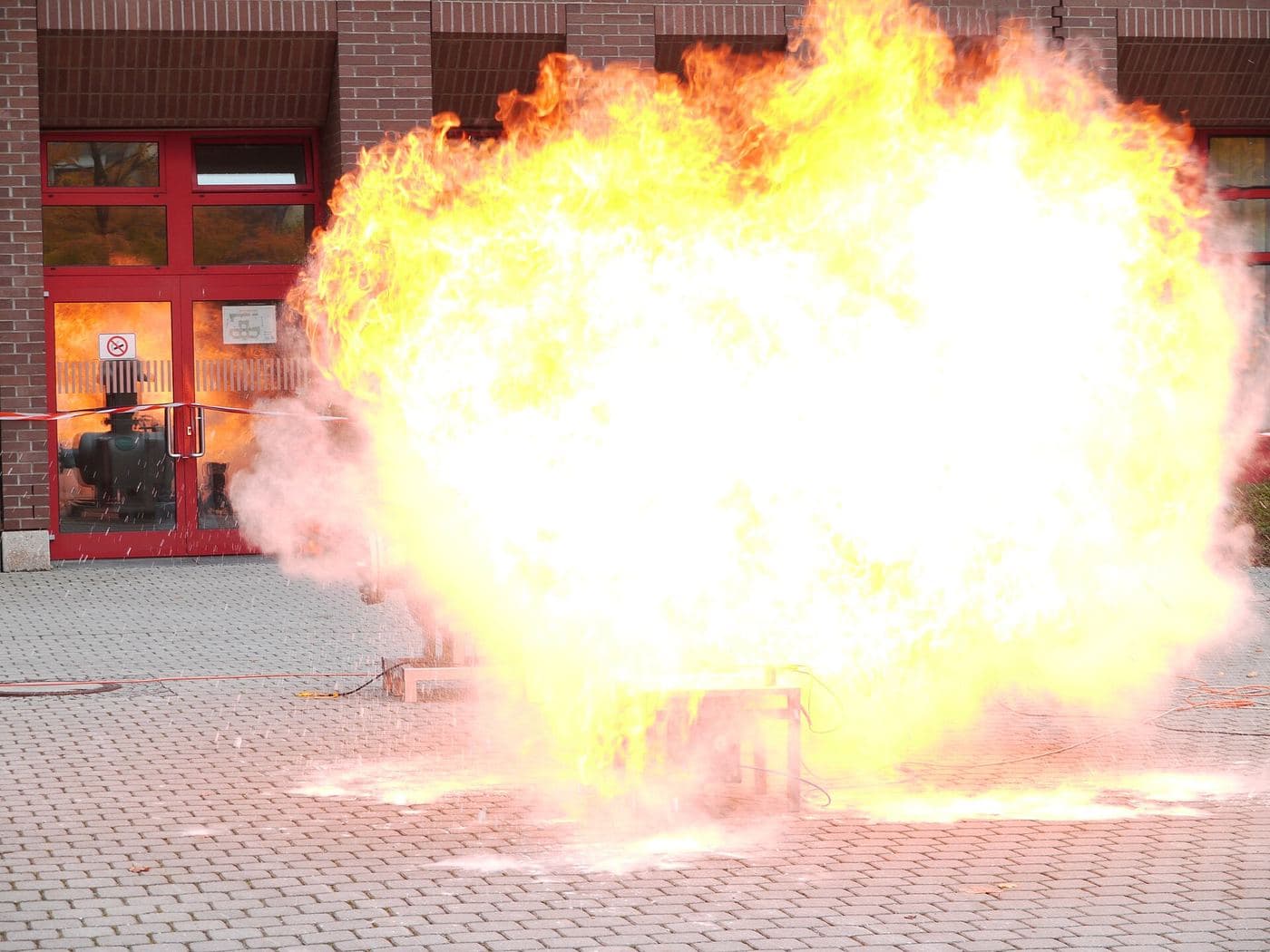
Suppression of Polyethylene Dust Deflagrations by Sodium Bicarbonate, Melamine Cyanurate (MCA), Melamine Polyphosphate (MPP) and MCA–MPP Mixtures
Zhengxiang Han, Chunyi Lu, Shunbing Zhu, Ming Li · Process Safety Progress · 22 Sept 2026
Polyethylene dust can explode during processing and handling — for example while it is conveyed into silos — and the danger depends strongly on particle size. This study compares powders that can be added to suppress such explosions. The authors tested sodium bicarbonate, melamine cyanurate (MCA), melamine polyphosphate (MPP) and MPP–MCA blends on high-density polyethylene (HDPE) dust, using explosibility tests, flame-propagation experiments and thermal analysis (TG-DTG and DSC). MPP suppressed best, then MCA; sodium bicarbonate was the weakest. All three made explosions worse at low addition levels — a "suppressant-enhanced explosion parameter" effect. MPP–MCA blends worked together, with a 3:1 ratio performing best at cutting maximum pressure, the rate of pressure rise and how far the flame travelled. Why it matters: polymer, compounding and masterbatch units handle fine powders every day. Two practical points: too little suppressant can be worse than none, and blends can beat single powders — so dosing should be tested, not guessed. The paper also points to new uses for MCA and MPP, both flame retardants already traded in India. Photo (representative): a demonstration dust explosion of dispersed flour. Hans-Peter Scholz, CC BY-SA 3.0, via Wikimedia Commons.
Read full paper
Computational Framework for Discovering Solvent Mixtures for Liquid–Liquid Separations
Changsu Kim, Reid C. Van Lehn · ACS Sustainable Chemistry & Engineering · 10 Sept 2026
Choosing a solvent mixture for an extraction is still largely trial and error — and every mixture added to the screen multiplies the work. This paper shows how machine learning can narrow the field first. The authors trained a model to predict the partition coefficient (log KP) of a solute between two immiscible liquid phases, describing each solvent mixture by its Hansen solubility parameters plus simple solute descriptors. The model accurately predicted partitioning for a range of chemically similar lignin-derived products from two independent experimental datasets. Combined with computed phase behaviour and solvent sustainability scores, the framework was used for two case studies: replacing mixtures that contain halogenated solvents with more sustainable alternatives, and finding solvent mixtures to separate lignin products by centrifugal partition chromatography. Why it matters: for process chemists under pressure to drop chlorinated solvents, data-driven screening can cut the number of lab experiments needed to find a workable greener mixture. Photo (representative): separatory funnel. Public domain, via Wikimedia Commons.
Read full paper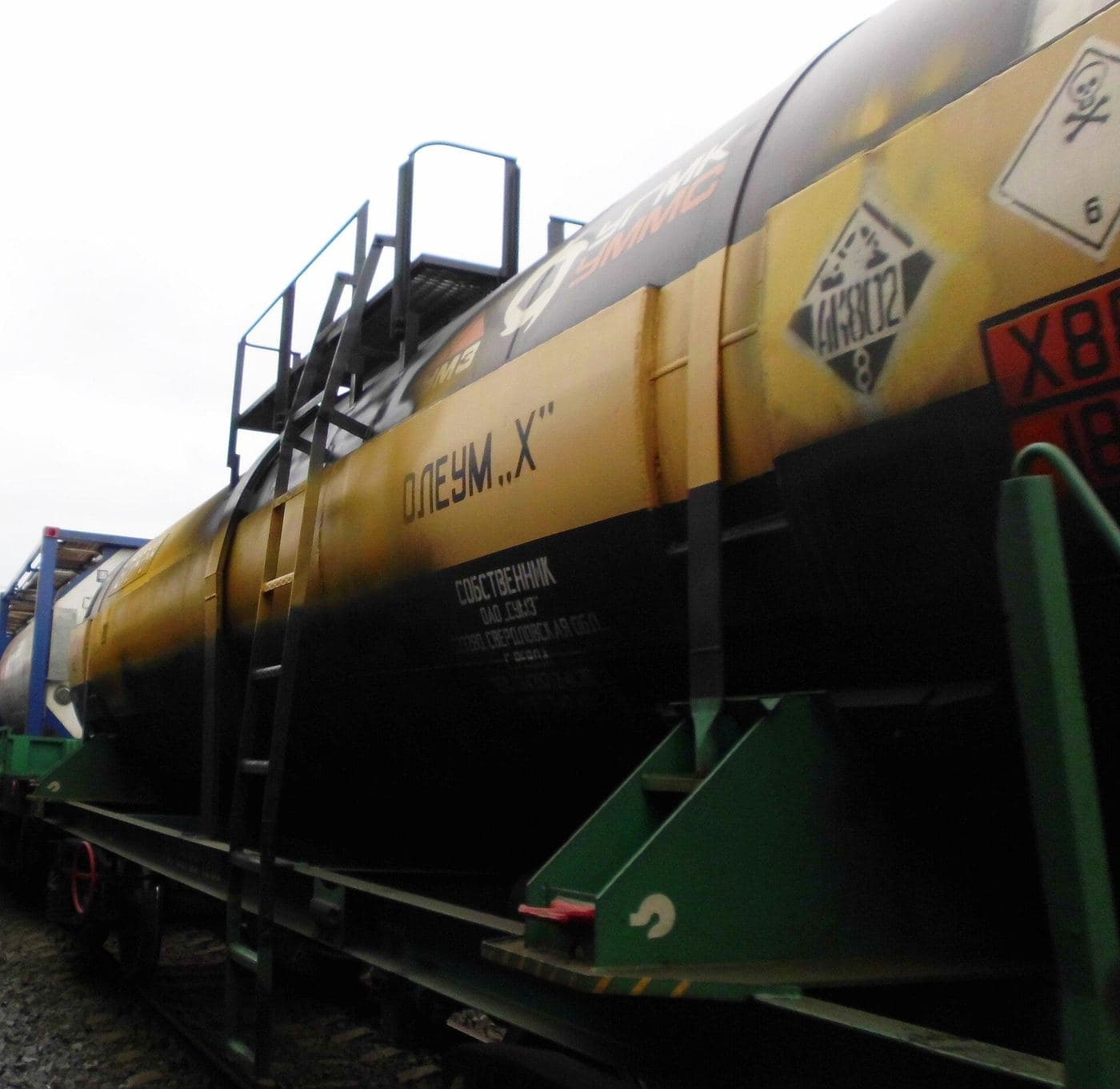
Process Safety in Hindsight — When the Hose Breaks During Bulk Chemical Transfer
Nicholas Reding, Isaac Mastalski, Delmar “Trey” Morrison · Process Safety Progress · 8 Sept 2026
Unloading a tanker through a flexible hose is one of the most routine jobs in a chemical plant — and this case study shows how it can go wrong. The paper is based on a release of oleum ("fuming sulphuric acid") during bulk unloading from a railcar to a chemical reactor through flexible hosing, which injured operating personnel. Oleum is used in sulphonation, nylon manufacturing, dye production, nitration and hydrofluoric acid production, and is regulated in the United States as a highly hazardous material. The authors describe the sequence of events and the decisions that led to the release, using the post-incident investigation to identify contributory causes. They then apply standard tools in hindsight — computational consequence evaluation and a simplified What-If / Quantitative Risk Assessment — to show what these methods would have revealed about a non-standard bulk transfer operation. Why it matters: any site that receives acids, solvents or other hazardous liquids by tanker faces the same risk. The lesson is to treat a "non-standard" transfer — a different hose, connection or receiving vessel than usual — as a change that needs its own hazard review, not as routine work. Photo: a rail tank wagon for sulphuric acid and oleum. Ural-66, CC0, via Wikimedia Commons.
Read full paper
Cyberattack and Process Safety: Lessons from Industrial Disasters
Md Abdus Sabuj, Sharath Daida, Peyton Richmond, Helen H. Lou · Process Safety Progress · 3 Sept 2026
What if the next major chemical accident starts not with a corroded pipe but with a falsified sensor reading? This study revisits 122 notable industrial incidents from 1980 to 2025 across refining, petrochemicals, gas processing and bio-processing, and asks how each failure pathway could be deliberately triggered in today's digitally connected plants. Using Principle 8 of the US Department of Energy's Cyber-Informed Engineering framework — systematically imagining how digital functions could be misused to cause harm — the authors map selected incidents to realistic cyber-physical attack scenarios: sensor spoofing, alarm suppression, safety instrumented system bypass and audit-trail manipulation. None of these incidents was caused by a cyberattack. But their initiating conditions and escalation mechanisms show credible routes an attacker could exploit. Why it matters: as DCS, SIS and remote monitoring spread across Indian chemical clusters, hazard studies that ignore the digital layer leave a blind spot. The authors argue for building cybersecurity into established hazard analysis and risk management, rather than leaving it to IT. Photo (representative): control room of a petroleum refinery. Gerryrkirk, CC BY-SA 4.0, via Wikimedia Commons.
Read full paper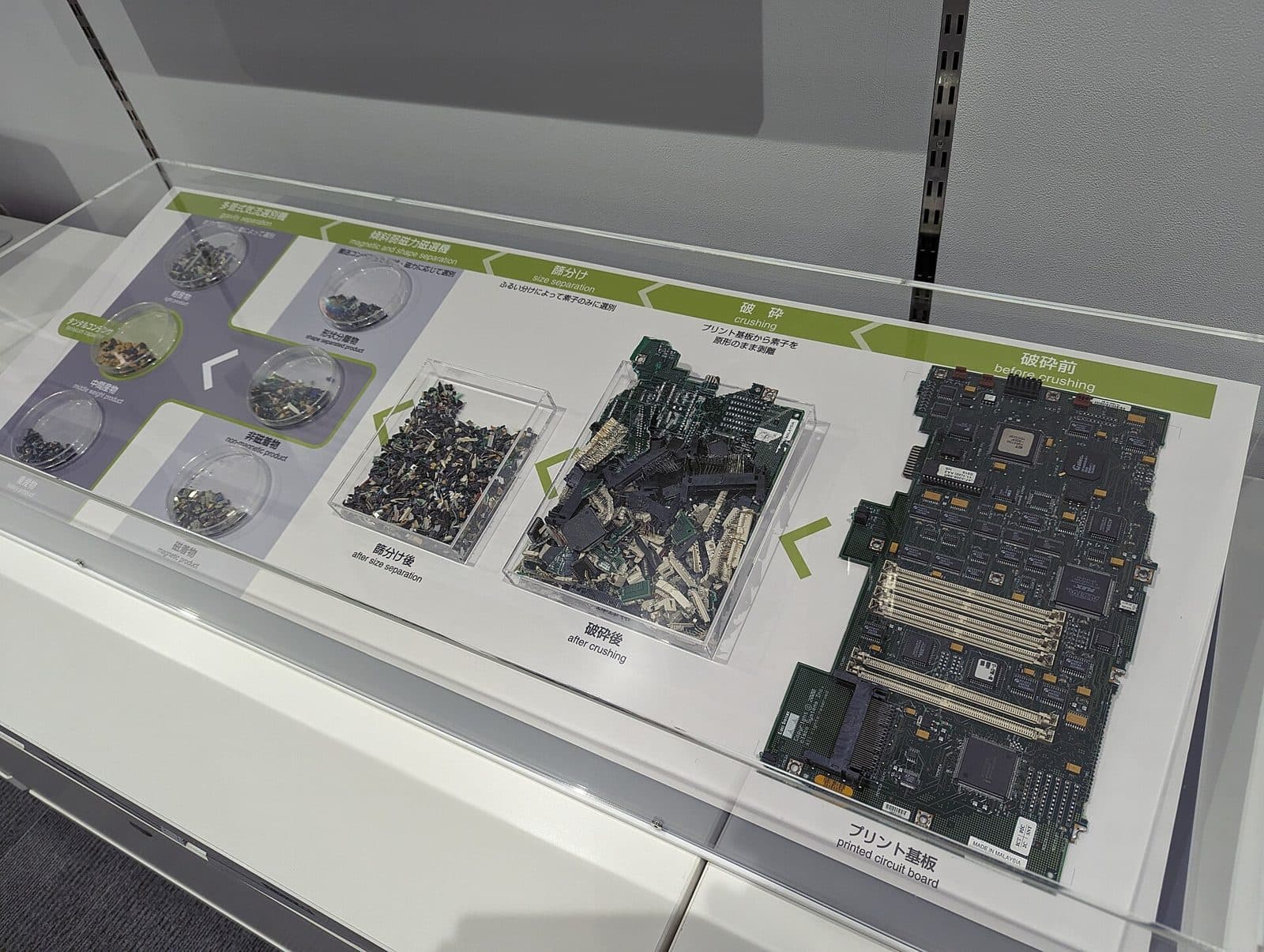
Solvent-Based Recycling of HIPS/ABS: Impact of Fractionation on Pyrolysis Process and Monomer Recovery
Nikolaos S. Giakoumakis, Jarne Leinders, Louise Derycke, Carlos Marquez, Athanasios Alexandridis, Annabel Braem, Dirk E. De Vos · ACS Sustainable Chemistry & Engineering · 3 Sept 2026
Old keyboards, printers and TV casings are mostly two plastics — ABS and high-impact polystyrene (HIPS) — and they are notoriously hard to separate. This study shows a simple route using a solvent many formulators already know: propylene carbonate. Propylene carbonate selectively dissolves ABS from HIPS/ABS blends. ABS was recovered at 99% purity with 90–93 wt% mass recovery, while HIPS was left untouched (over 99% purity, about 100% recovery), without changing the chemistry of either polymer. The method worked on model blends and on real waste electrical and electronic equipment (WEEE). Separation pays off downstream. Pyrolysis of the separated HIPS and polystyrene streams raised styrene yields by up to 25 wt% compared with the mixed blend, and catalytic pyrolysis over an Fe–K/ZrO2 mixed-oxide catalyst pushed styrene yields up to 31 wt% higher. For India's growing e-waste recycling sector, it points to a practical bridge between mechanical and chemical recycling — and a new use for propylene carbonate, a solvent already traded for coatings, cleaning and battery electrolytes. Photo (representative): electronic scrap sorted for recycling. Syced, CC0, via Wikimedia Commons.
Read full paper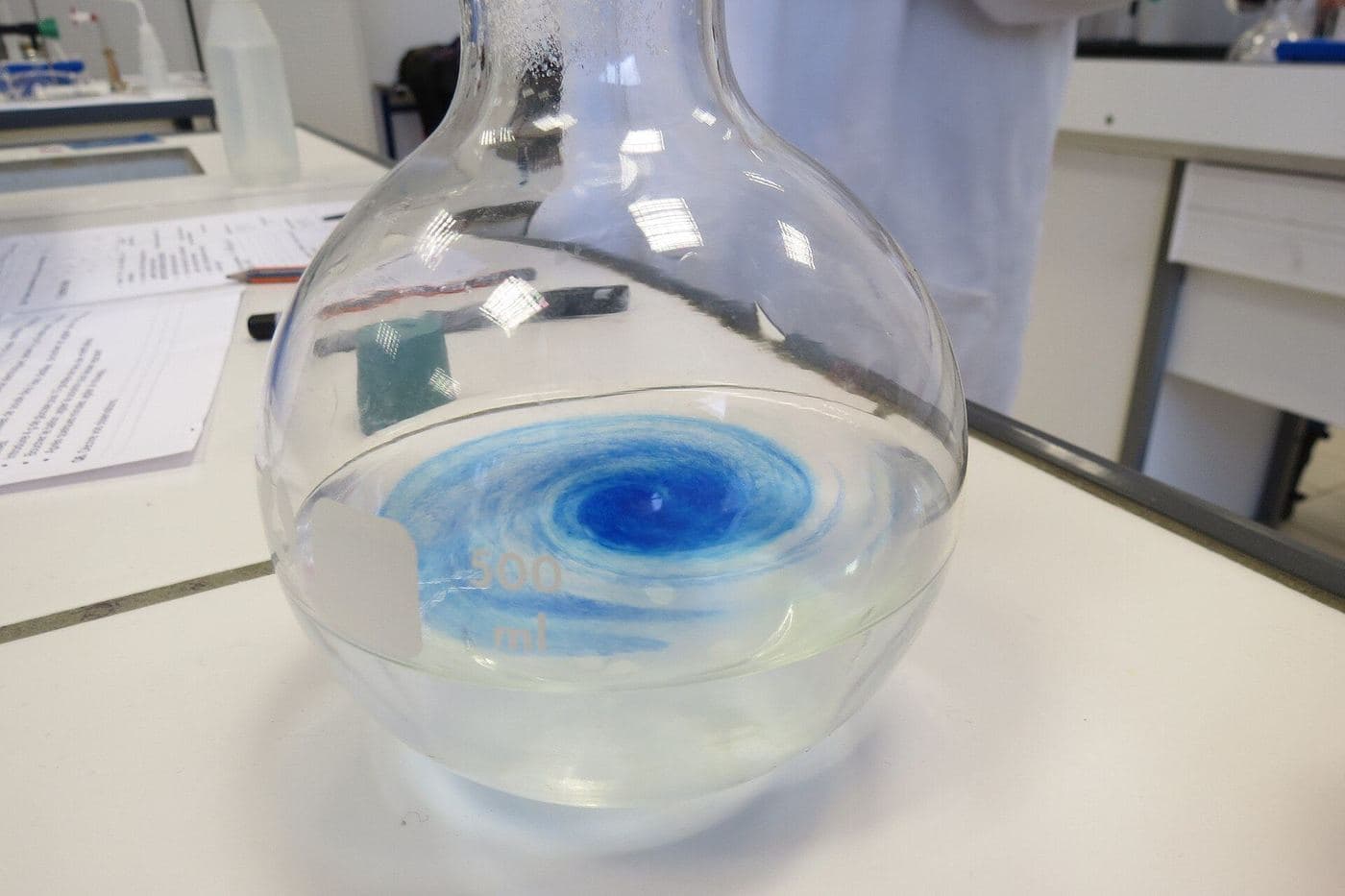
Gas-Liquid-Solid Fluidized-Bed Adsorber for Continuous Solvent Recovery: From Intrinsic Parameters to Continuous-Flow Validation
Xinyuan Cao, Qian Zhang, Xiaoyang Wei, Yuanyuan Shao, Jesse Zhu, Dongbing Li · Industrial & Engineering Chemistry Research · 2 Sept 2026
Adsorption columns usually run in batches: load, stop, regenerate. This paper proposes an adsorber that runs continuously, by bubbling gas through liquid and adsorbent particles in a three-phase fluidised bed. The authors tested the idea with a model system — methylene blue dye in water — in both batch and continuous experiments. Their kinetic model showed two stages. In the first, the initial adsorption capacity stayed constant (about 0.851 mg per gram) across the gas velocities tested, meaning the liquid film around the particles was not limiting. In the second, the rate constant rose steadily with gas velocity, from 0.133 to 0.339 per minute, as stronger bubble-driven mixing renewed the particle surfaces. A numerical model of the continuous unit matched the measured outlet concentrations (R² above 0.90) and a 7-hour test run. From it the authors drew operating maps showing the conditions that give at least 99.5% adsorption efficiency with the least energy and adsorbent. Why it matters: the work is at laboratory scale and uses a dye-in-water model, not an industrial solvent stream, so it is a design method rather than a ready process. For plants that clean up or recover solvents with activated carbon, it points to continuous units that could be smaller and steadier than batch columns. Photo: methylene blue dissolving in water, the model system used in the study. WikiProfPC, CC BY-SA 4.0, via Wikimedia Commons.
Read full paper
Continuous-Flow Synthesis of Antiepileptic Drugs: Process Intensification, Sustainability Metrics, and Scalable Manufacturing
Amit Upadhyay, Alka Raj Pandey, Ashwini Mishra, Shashank Tewari · ACS Omega · 25 Aug 2026
Most active pharmaceutical ingredients are still made batch by batch in stirred reactors. This open-access review looks at what changes when antiepileptic drugs are made in continuous-flow equipment instead. The authors assess the move from batch to continuous-flow manufacturing for this class of drugs, and the benefits of combining flow processing with greener chemistry — chiefly less waste and a smaller carbon footprint, along with less exposure to the resource and supply-chain limits of batch production. They work through recent advances in the continuous-flow processing of four major molecules: pregabalin, levetiracetam, lacosamide and brivaracetam. They also set out the obstacles that still stand in the way of a complete switch to automated, continuous production. Why it matters: pregabalin and levetiracetam are high-volume products for Indian API makers. For those makers, and for suppliers of the solvents, reagents and intermediates that go into them, the review is a useful map of where flow chemistry already works for these molecules and where batch steps remain. Photo: levetiracetam tablets in a blister pack. _moep_, CC BY 3.0, via Wikimedia Commons.
Read full paper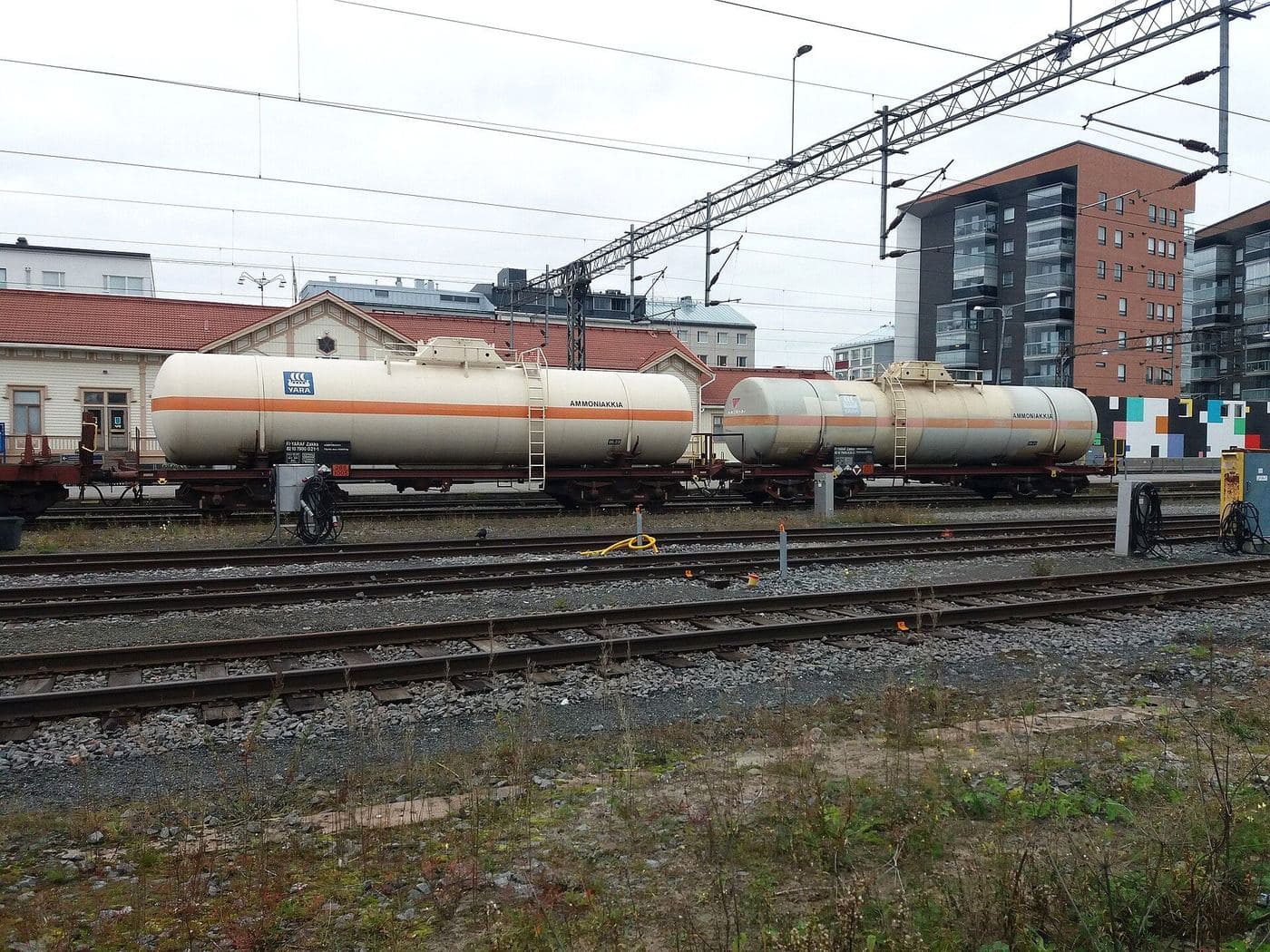
Design, Simulation, and Techno-Economic Evaluation of a High-Capacity Ammonia Cracking Facility for Pipeline-Grade Hydrogen Production
Amin Soleimani Mehr, Günter Scheffknecht, Reihaneh Zohourian, Markus Reinmöller, Joerg Maier · Energy Science & Engineering · 29 Jul 2026
Ammonia is easier to ship than hydrogen, so one plan for the hydrogen economy is to ship ammonia and "crack" it back into hydrogen at the destination. This open-access study works out what such a plant would look like at industrial scale, and what its hydrogen would cost. The authors designed and simulated a complete facility taking 1,000 tonnes of ammonia a day: cryogenic ammonia storage with boil-off gas recovery, catalytic cracking, hydrogen purification, and compression for pipeline delivery. It produces about 137 tonnes of hydrogen a day with nearly complete ammonia conversion, and runs stably between 50% and 100% of capacity. Hydrogen compression is the largest electricity user; overall the plant needs about 1.1–1.3 kWh of electricity per kg of hydrogen. On cost, the levelised cost of hydrogen came out at €4.8–9.0 per kg under European market conditions, and about €8.3 per kg in the base case (electricity at €0.10 per kWh, ammonia at €0.50–0.90 per kg, 90% availability). The price of the ammonia feed is the dominant cost. Why it matters for India: India plans to export green ammonia, and buyers in Europe, Japan and South Korea would crack part of it back to hydrogen. This study shows that the ammonia price largely sets the final hydrogen cost — so the delivered price of Indian green ammonia will decide whether such exports are competitive. Photo (representative): rail tank wagons for ammonia. Methem (Mikko J. Putkonen), CC BY 4.0, via Wikimedia Commons.
Read full paper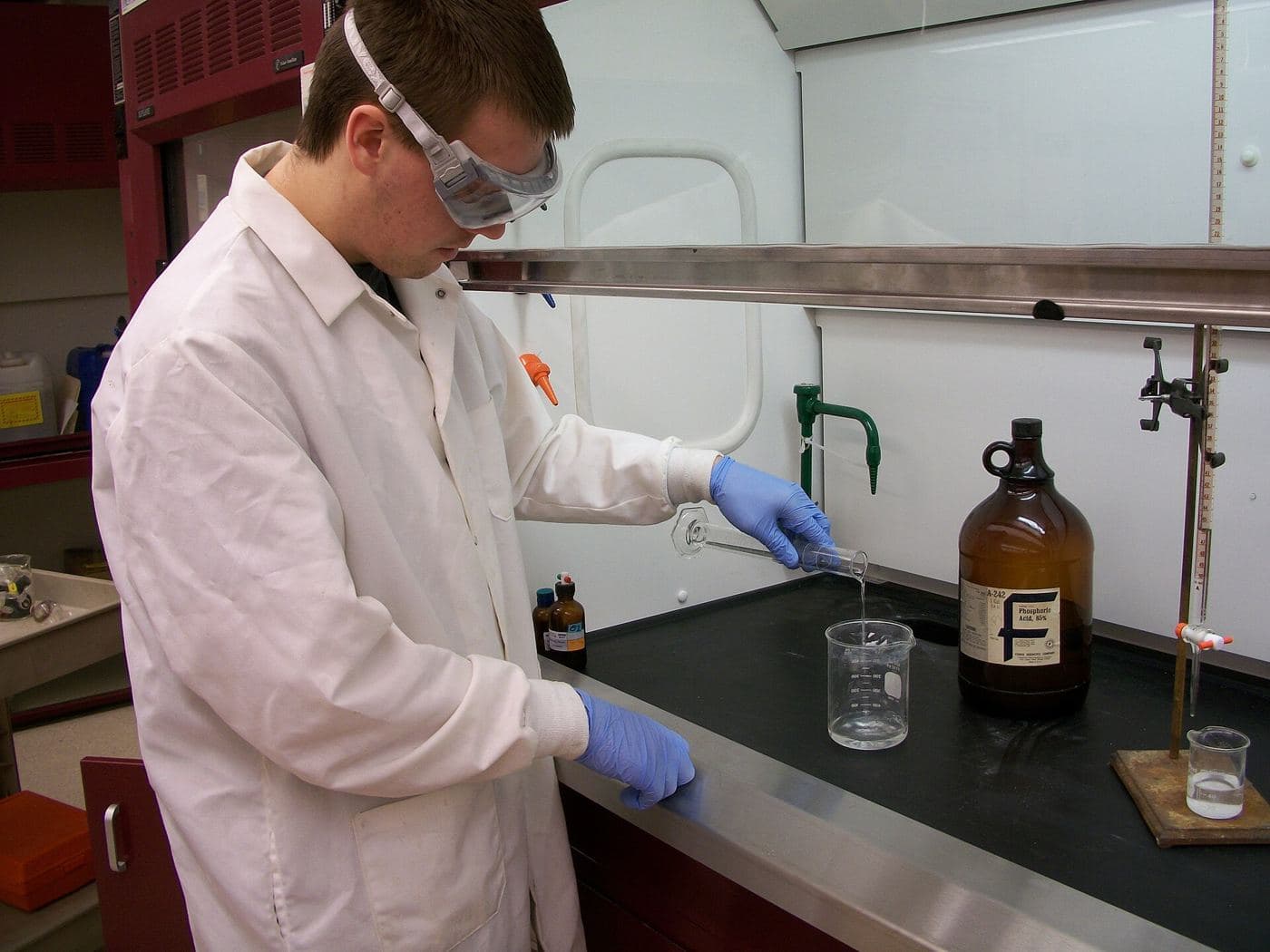
Isopropanol–Dimethyl Sulfoxide as a Green Solvent Mixture for Solid-Phase Peptide Synthesis
Sikabwe Noki, Rajan Sharma, Beatriz G. de la Torre, Hossain Saneii, Fernando Albericio · Chemistry–Methods · 1 May 2026
Peptide drugs are booming, and the solvent they are made in — DMF — is under regulatory restriction. Two solvents most plants already stock may be the answer. This study tested binary mixtures of isopropanol (IPA) and dimethyl sulfoxide (DMSO) as replacements for DMF in Fmoc solid-phase peptide synthesis on polystyrene resins. The authors measured solubility of Fmoc-protected amino acids, synthesised model and pharmaceutically relevant peptides, and assessed racemisation. IPA–DMSO at 7:3 and 3:1 supported efficient coupling, washing and Fmoc deprotection under mild conditions at room temperature, giving crude purities comparable to or better than DMF across several sequences — including ACP (65–74), afamelanotide analogues and tirzepatide fragments. The trade-off: more epimerisation for histidine- and cysteine-containing sequences than in DMF. Why it matters: for Indian peptide manufacturers scaling up, a DMF replacement built from two commodity solvents is easier to source and qualify than a speciality green solvent. Photo (representative): a chemist handling a solvent in a fume hood. Walkerma, CC BY-SA 3.0, via Wikimedia Commons.
Read full paper
Sustainable Integration of Offshore Wind Energy with Green Ammonia Production Systems
Dimitrios Apostolou, George Xydis · Sustainability · 17 Mar 2026
Green ammonia is often pitched as the answer for fertilisers, energy storage and shipping fuel. This study puts real wind and power-price data behind the question: when does making it actually pay? The authors model power-to-ammonia linked to an operating offshore wind farm in Denmark under three supply chains: fully offshore production with ship transport, fully offshore with pipeline export, and a hybrid offshore–onshore set-up. An hourly dispatch model decides whether each unit of wind power earns more sold to the grid or turned into ammonia, using 2020–2025 wind and electricity-price data, with a 30-year Monte Carlo analysis and sensitivity runs on electrolyser size (10–200 MW) and ammonia price (€1,400–3,200 per tonne). The hybrid offshore–onshore configuration came out best, but viability stayed highly sensitive to plant sizing, ammonia price, operating flexibility and infrastructure costs. Why it matters for India: under the National Green Hydrogen Mission, green ammonia projects face the same questions — power cost, flexibility and offtake price will decide which ones are bankable. Photo (representative): Middelgrunden offshore wind farm, Denmark. Kritzolina, CC BY-SA 4.0, via Wikimedia Commons.
Read full paper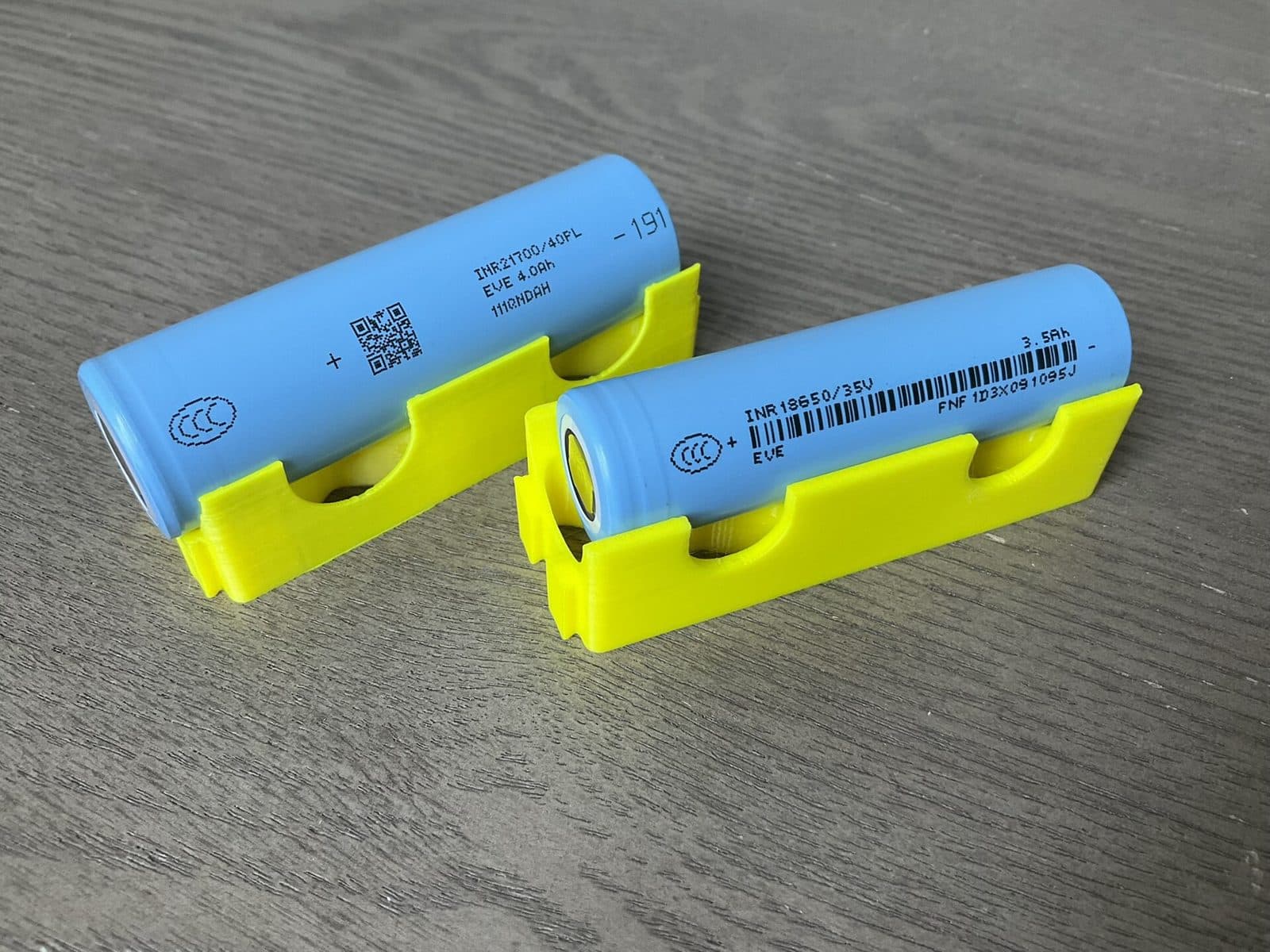
Recovery of High-Purity Lithium Hydroxide Monohydrate from Lithium-Rich Leachate by Anti-Solvent Crystallization
Faizan Muneer, Ida Strandkvist, Fredrik Engström, Lena Sundqvist-Öqvist · Batteries · 21 Jan 2026
A familiar solvent finds a new job in battery recycling: acetone. Recovering battery-grade lithium from waste streams is the economic heart of lithium-ion recycling. This study recovers lithium hydroxide monohydrate (LiOH·H2O) from a lithium-rich leachate made from the flue dust of a pilot-scale pyrometallurgical battery-recycling process, using anti-solvent crystallisation — adding an organic solvent to push LiOH out of solution. Of the solvents tested, acetone worked best. At an organic-to-aqueous ratio of 4, 3 hours, 150 rpm and a slow 5 mL/min addition, it gave about 90% lithium recovery at around 95% purity. Addition rate mattered: slow dosing favoured nucleation and gave well-dispersed crystals of about 20 µm with less trapped impurity. The impurity study is the practical takeaway. Sodium, potassium, aluminium and calcium crystallised as highly soluble conglomerates, chromium as a low-solubility one, while zinc was spread through the crystal bulk. Further purification is still needed to reach battery grade — and for scale-up, recovering and recycling the acetone will be a key cost question. Photo (representative): lithium-ion battery cells. Sevenethics, CC0, via Wikimedia Commons.
Read full paper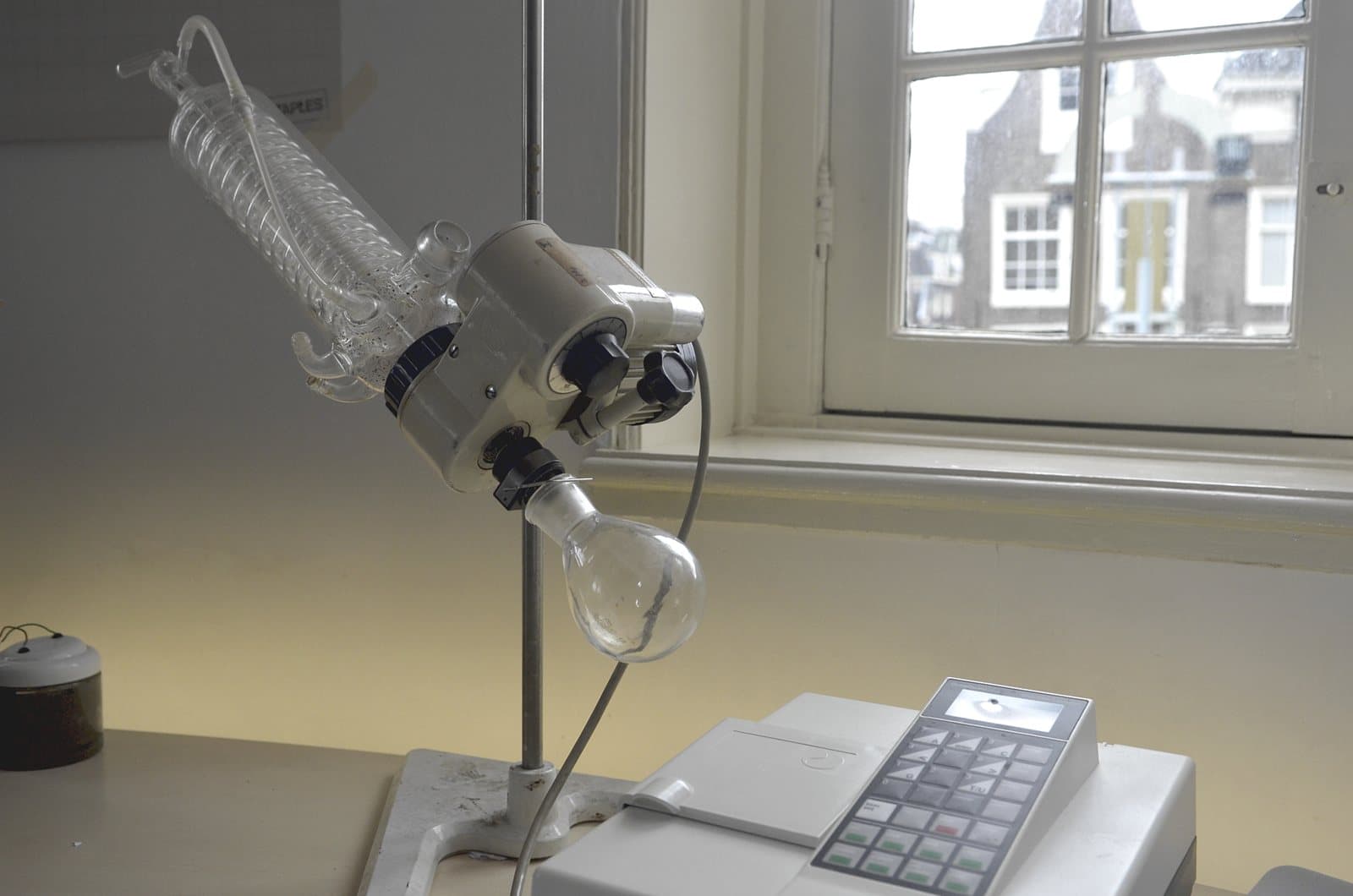
Solvent Sustainability in Drug Discovery: Where Are We Now, and How Can We Improve?
Paul Richardson, Marian C. Bryan, Louis Diorazio, Fabrice Gallou, Shazia Keily, Isamir Martinez, Scott Plummer, Anthony B. Reed, Robert Sheppard, Jason Shields, Gail Wrigley, Charles Yeung, Alvaro Enriquez-Garcia · Journal of Medicinal Chemistry · 8 Dec 2025
This comprehensive review examines solvent selection practices in pharmaceutical drug discovery, finding that solvents contribute 80-90% of waste streams in manufacturing. Analyzing over 400,000 reactions from the medicinal chemistry literature, the authors document that more than 40% of reactions still employ undesirable solvents such as methylene chloride and dimethylformamide. The paper presents practical resources and greener solvent alternatives to support more sustainable practices in early-stage drug development. Photo (representative): a rotary evaporator, used to remove solvents in drug-discovery labs. Waag Society, CC BY 2.0, via Wikimedia Commons.
Read full paper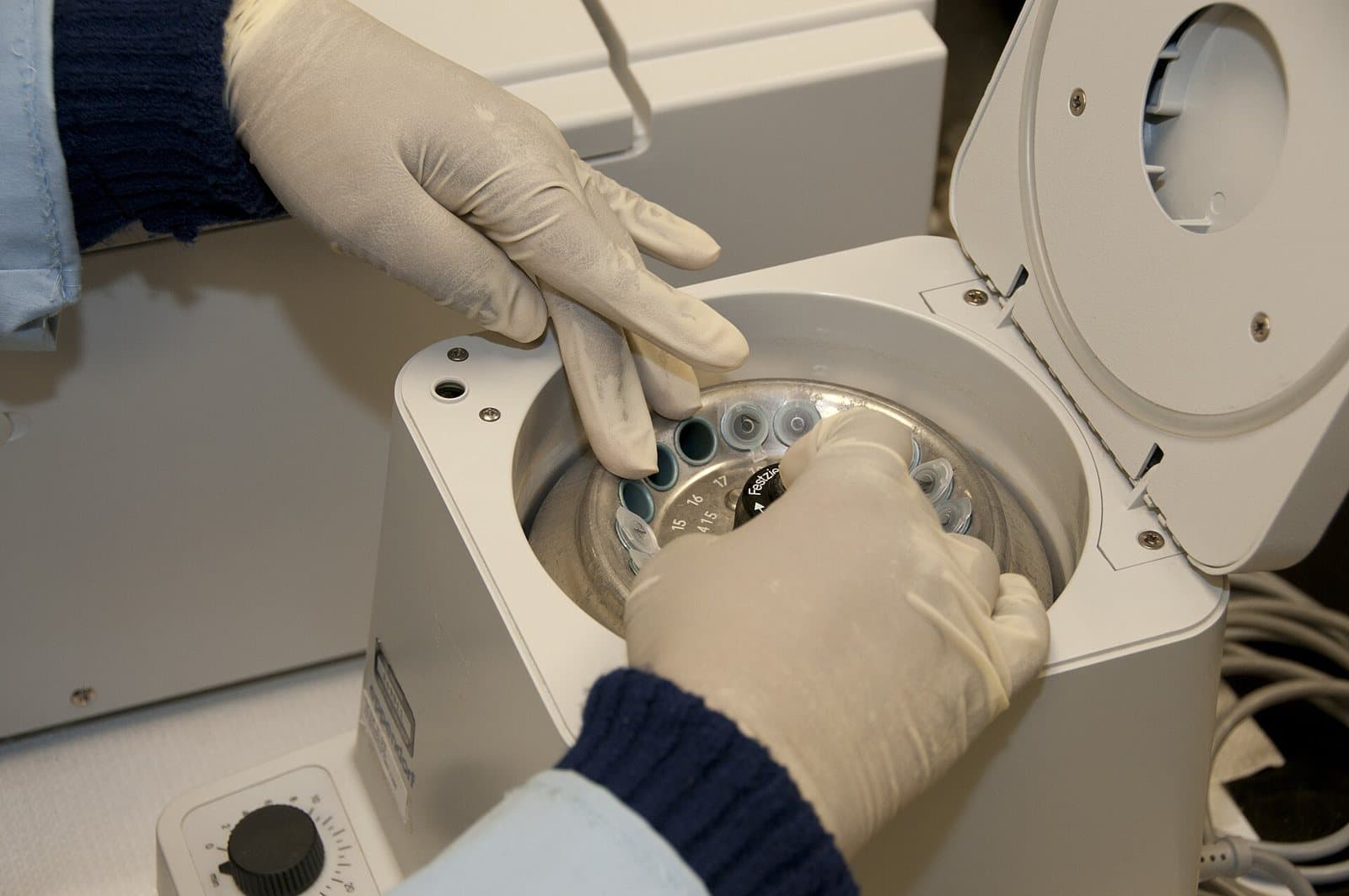
Editorial: Emerging Topics on Chemical Safety Assessment
Maricel V. Maffini, Laura N. Vandenberg · Frontiers in Toxicology · 10 Jan 2025
This editorial addresses systemic gaps in chemical safety evaluation, arguing that exposure to a wide range of chemicals has likely contributed to an epidemic of non-communicable diseases. The authors identify five priority areas for improving chemical safety protections: enhanced hazard assessment methods, modernized toxicology endpoints, improved exposure monitoring, phasing out harmful chemicals, and globally harmonized classification standards. Photo (representative): toxicology research at the US FDA National Center for Toxicological Research. U.S. Food and Drug Administration, public domain, via Wikimedia Commons.
Read full paper