
CropLife India Urges Precision Farming for Rabi After the Weakest Monsoon Since 2015
CropLife India has issued a four-point advisory for the 2026-27 Rabi season after the southwest monsoon ended at 87% of its long-period average — the weakest since 2015. Southern India received 76% and eastern India 74%.
CropLife India's members account for about 70% of India's crop protection market. Its advice to farmers:
1. Seed treatment — a low-cost protection against seed- and soil-borne diseases such as wheat smut and chickpea wilt. 2. Targeted sowing — termite treatment only in fields with a history of infestation and enough soil moisture; mustard sown in the second half of October to reduce aphid pressure. 3. Field scouting — spray when pests cross thresholds, not by the calendar. For wheat aphids, control is warranted only above 10–15 aphids per tiller. 4. Input quality — buy only from authorised dealers, with a proper bill and a checked expiry date.
"Precision is what safeguards both the harvest and the farmer's investment," said Durgesh Chandra, Secretary-General of CropLife India. The body also warned that a difficult season can bring more illicit crop protection products onto the market, and called for stronger enforcement against unauthorised trade and online sales.
What it means for buyers and suppliers
A dry start to Rabi usually shifts demand toward seed-treatment products and away from calendar spraying. Formulators and distributors should plan Rabi stocks around seed treatments and threshold-based use, and keep invoices and batch records ready — enforcement against spurious products is likely to tighten.
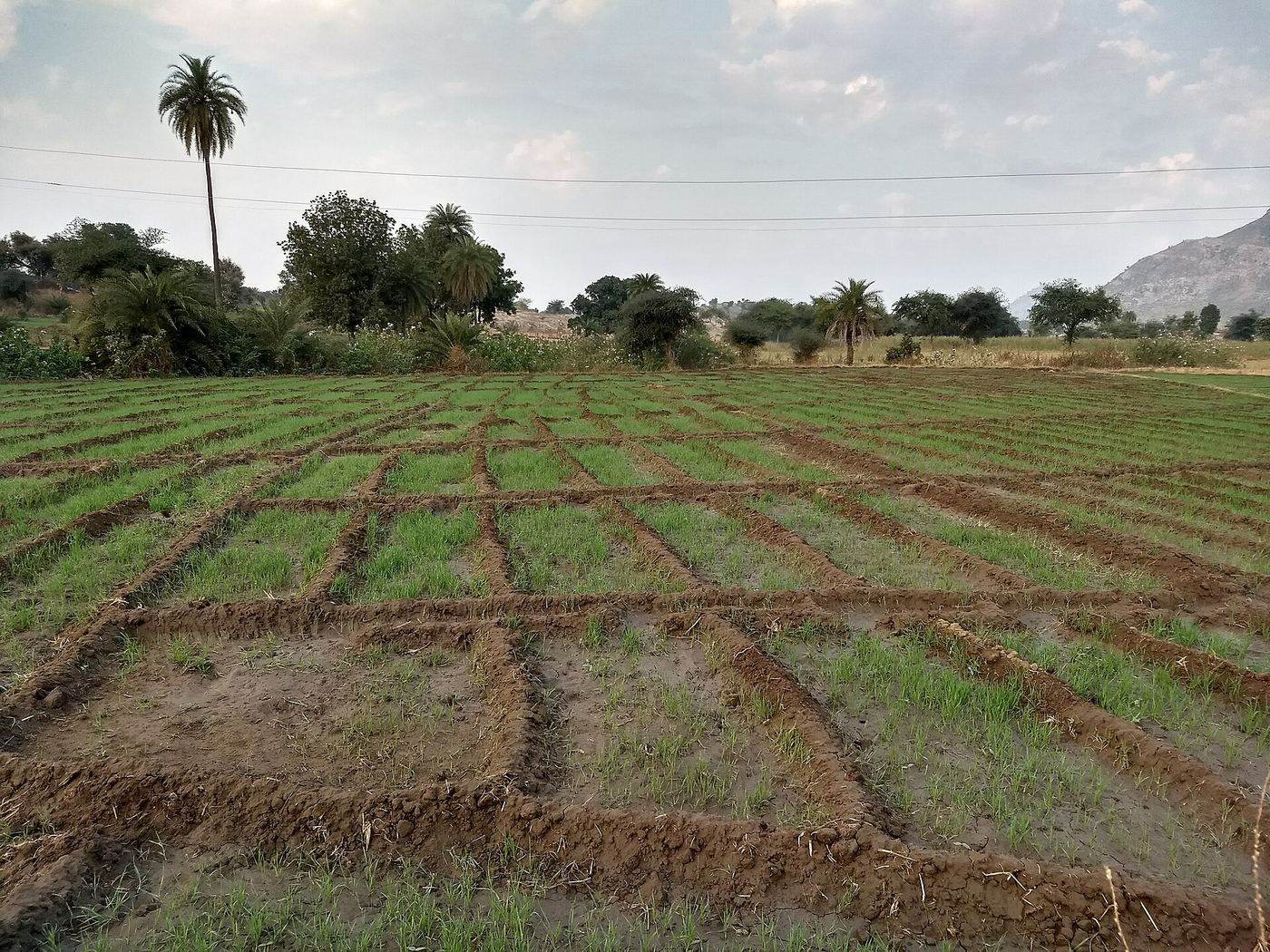
Source: Indian Chemical News (15 October 2026). Photo (representative): a young wheat crop in Udaipur district, Rajasthan. Deccantrap, CC BY-SA 4.0, via Wikimedia Commons.