
DGTR Opens Five Anti-Dumping Probes, Including Caprolactam, Persulphates and Clavulanic Acid
Anti-dumping cases rarely make headlines outside trade circles — until a buyer's landed cost jumps overnight. That is why procurement teams should note this week's move by the Directorate General of Trade Remedies (DGTR).
DGTR has initiated five fresh anti-dumping investigations following complaints from domestic manufacturers. Three matter directly to the chemical and pharma trade:
• Persulphates (ammonium, potassium and sodium persulphate) — imports from China only. Used as initiators and oxidising agents in the textile and chemical industries. DGTR said the dumping margin was "not only above the de-minimis level but is significant".
• Clavulanic acid and its amine salt (potassium clavulanate) — imports from China and the European Union. The API is combined with penicillin-class antibiotics; DGTR cited prima facie evidence of material retardation to the establishment of the domestic industry.
• Caprolactam — imports from China, Russia, Thailand and the United States. Caprolactam is the monomer for Nylon-6, which is processed into nylon tyre cord fabric and filament yarn.
The other two cases cover certain counterbalance forklifts (China, Japan) and internally grooved copper tubes and pipes (China, Thailand, Vietnam), where a countervailing-duty investigation has also been opened.
What happens next
An initiation is not a duty. DGTR now gathers data from domestic producers, exporters, importers and user industries; only after its final findings can the government decide whether to impose duties. Importers and users can register as interested parties and make submissions during the investigation.
What it means for buyers
If you import any of these products, review contract terms, qualify alternative origins and domestic sources, and model a possible duty into longer-term pricing now.
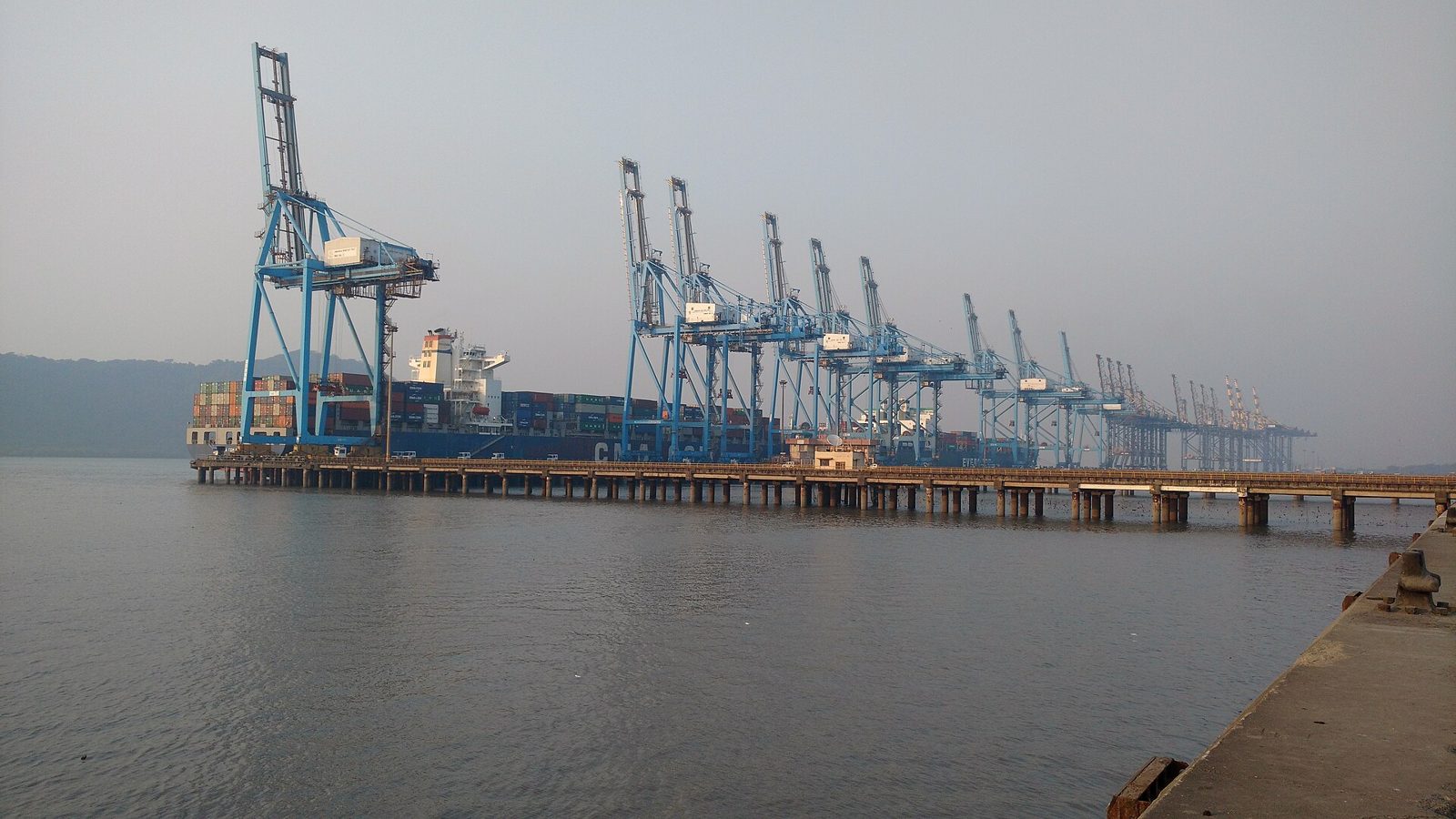
Photo (representative): container handling at JNPT, Navi Mumbai. Ccmarathe, CC BY-SA 4.0, via Wikimedia Commons.
Chemicals in this story
View specifications and safety data, or get quotations from suppliers.