
GST 2.0: Key Fertilizer Inputs Ammonia, Sulphuric Acid and Nitric Acid Cut from 18% to 5%
Under the GST 2.0 rate reforms that took effect on September 22, 2025 (the first day of Navratri), the government reduced GST on key fertilizer raw materials — ammonia, sulphuric acid, and nitric acid — from 18% to 5%. The change was aimed at correcting an inverted duty structure that had previously taxed these inputs at a higher rate than the finished fertilizer products they go into, a mismatch that squeezed margins for domestic fertilizer producers and complicated input tax credit claims.
The reform sits alongside a broader rationalization: essential agrochemicals such as fertilizers and pesticides, along with pharmaceutical intermediates and other fine chemicals with agricultural or health significance, now attract a 5% merit rate. Active pharmaceutical ingredients and fine chemicals used in drug manufacturing were also brought down to 5% from 12%. At the other end, specialty chemicals typically used in cosmetics, fragrances, and other non-essential consumer goods moved down from 28% to 18% — a smaller cut, reflecting their classification outside the essential category.
For chemical buyers and suppliers dealing in fertilizer feedstocks, the lower input tax on ammonia, sulphuric acid, and nitric acid should translate into reduced working-capital strain from accumulated input tax credits, and — over time — more competitive domestic pricing versus imports for these bulk inorganic chemicals.
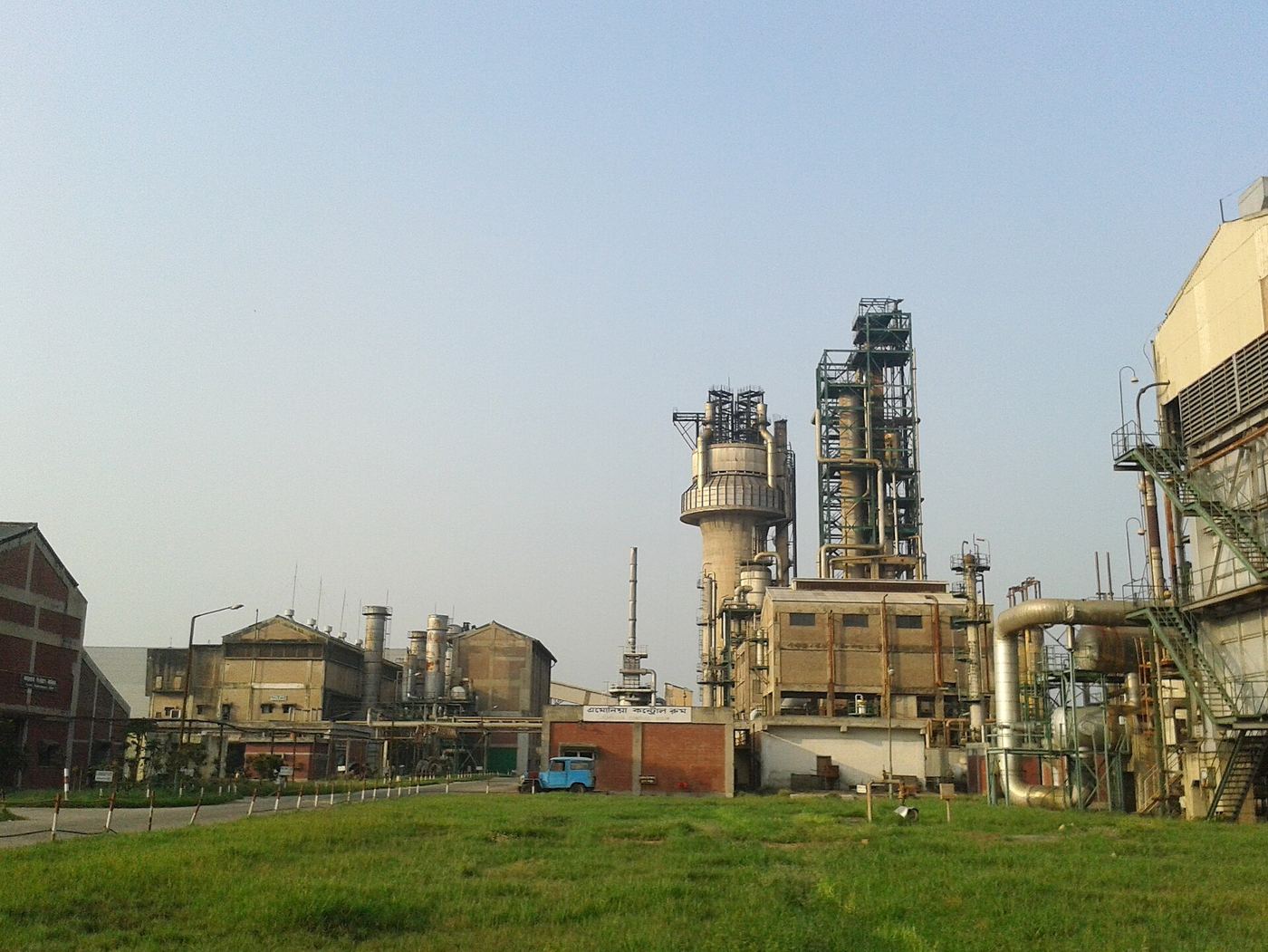
Photo (representative): a fertilizer plant. Mar11, CC BY-SA 4.0, via Wikimedia Commons.
Chemicals in this story
View specifications and safety data, or get quotations from suppliers.