
Indian Peroxide to Build 400 TPD Chlor-Alkali Plant at Dahej, Scalable to 800 TPD
Indian Peroxide Limited (IPL) is building a new 400 tonnes-per-day (TPD) chlor-alkali plant at its existing Dahej SEZ complex in Gujarat, using advanced Japanese process technology, with commissioning scheduled for October 2026. The plant has been engineered with potential scalability to 800 TPD, allowing IPL to expand capacity further without a full greenfield rebuild if demand justifies it.
A key strategic element of the project is its integration with IPL's existing operations: the hydrogen by-product from the chlor-alkali process will be used on-site to feed the company's existing 300 TPD hydrogen peroxide plant at the same complex, reducing input costs and improving overall resource efficiency across the site. This kind of by-product integration is a recurring theme in India's current chlor-alkali capacity buildout, alongside larger projects like the Adani Group's 2,200 TPD chlor-alkali project and Valor Petrochemicals' planned facility at Mundra.
Gujarat continues to anchor most of India's new chlor-alkali capacity, benefiting from an established manufacturing base, deep-water port access at Dahej and Mundra, and proximity to the petrochemical and refining corridor along the state's coast. For downstream buyers of caustic soda and chlorine derivatives, the wave of new Gujarat-based capacity — including IPL's Dahej expansion — points toward a more supply-comfortable chlor-alkali market in India through 2026 and 2027.
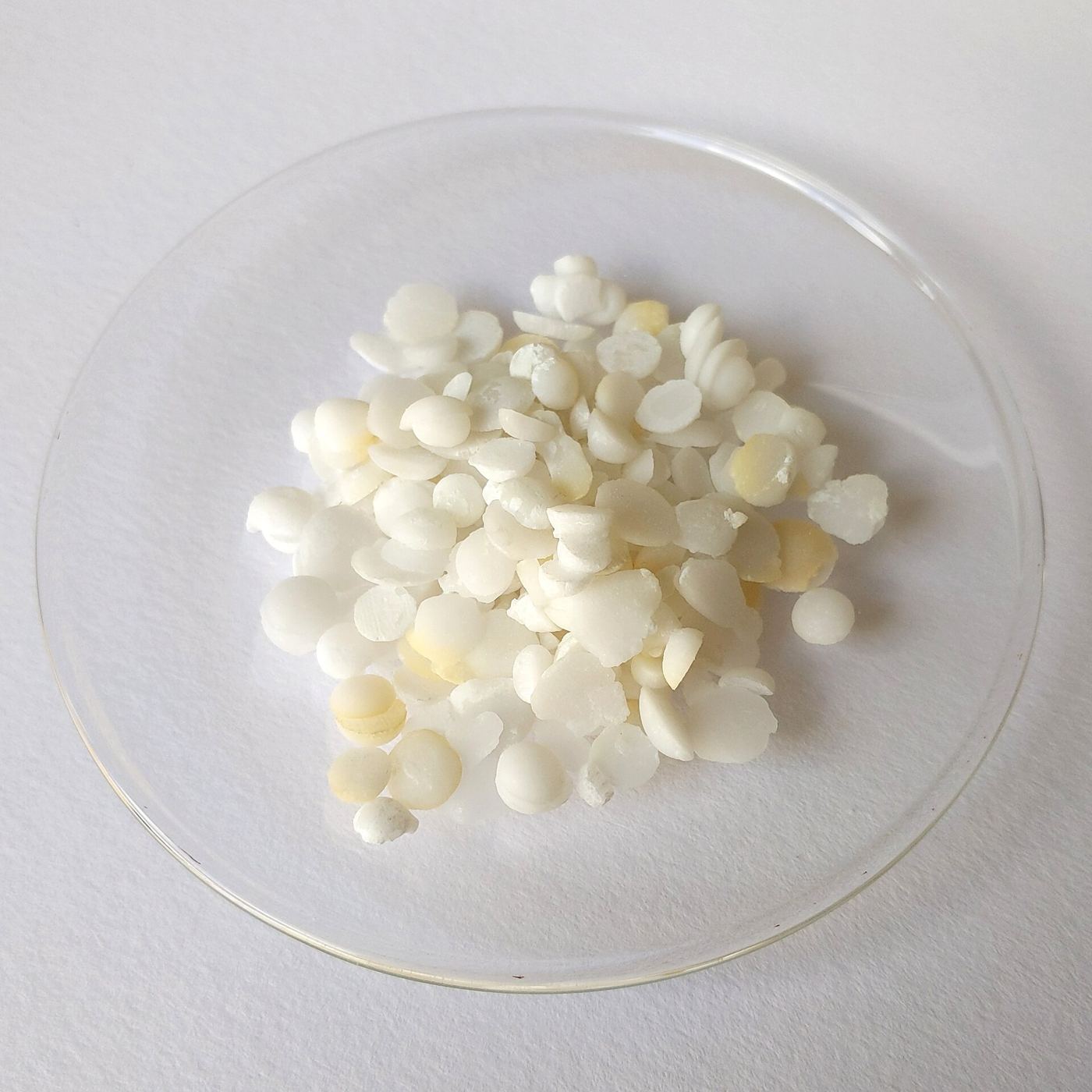
Photo (representative): sodium hydroxide (caustic soda), a chlor-alkali product. Nefronus, CC0, via Wikimedia Commons.
Chemicals in this story
View specifications and safety data, or get quotations from suppliers.