
Profenofos, Quinalphos and Phenthoate Not Recommended for Rotterdam Convention Listing at CRC-22
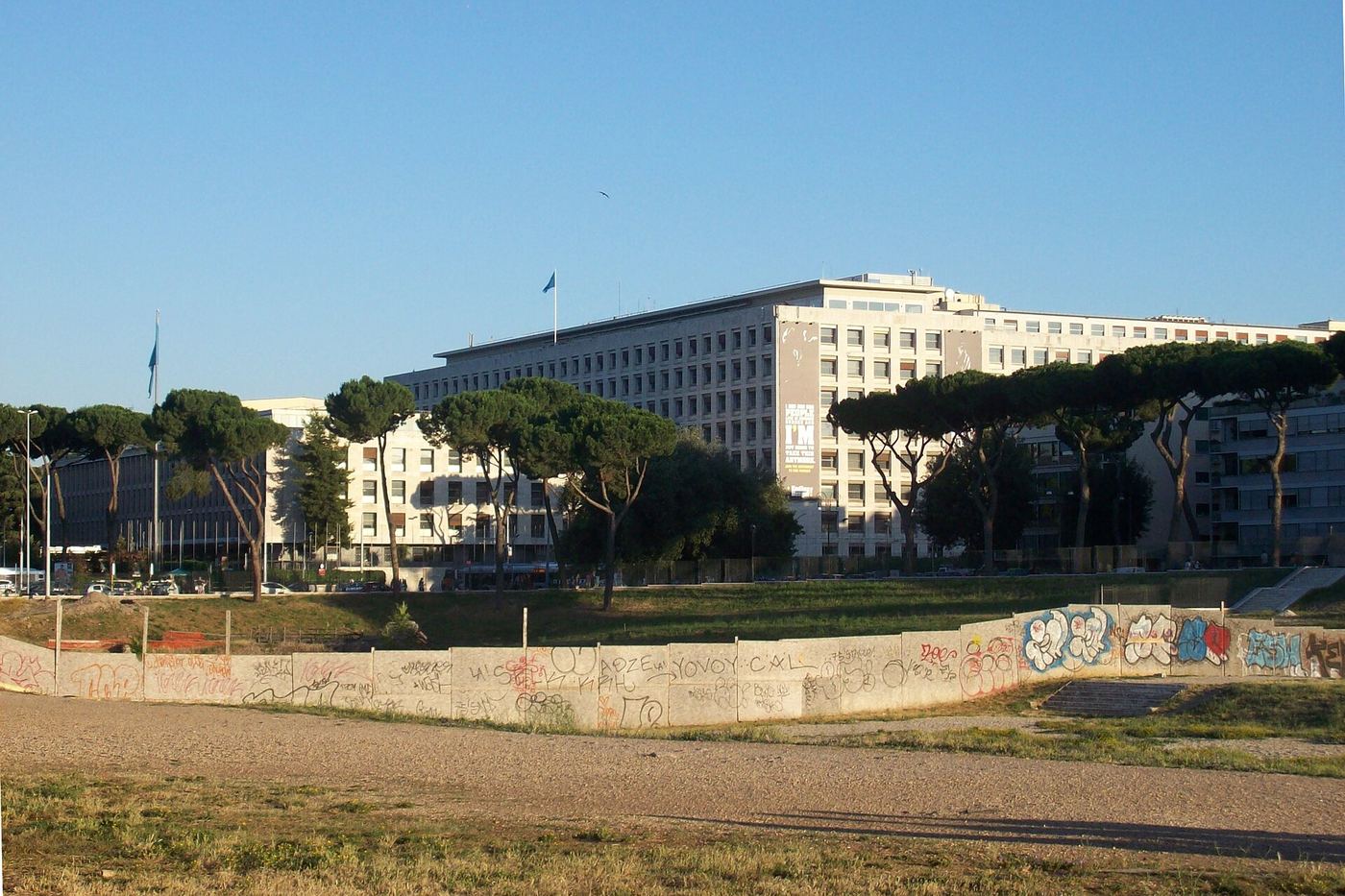
The Rotterdam Convention's Chemical Review Committee (CRC-22) met from 15 to 18 September 2026 at the headquarters of the UN Food and Agriculture Organization (FAO) in Rome. None of three pesticides made and exported by Indian companies — profenofos, phenthoate and quinalphos — was recommended for listing.
The Pesticides Manufacturers & Formulators Association of India (PMFAI) set up task force groups to defend the three molecules. Its delegation was led by Dr K. N. Singh of Gharda Chemicals and Dr Samir Dave of AIMCO Pesticides, and worked with India's Ministry of Environment, Forest and Climate Change, the Department of Chemicals and Petrochemicals, and the Department of Agriculture and Farmers Welfare.
What the committee actually decided All three cases were notifications from Malaysia that earlier meetings had deferred. According to the Earth Negotiations Bulletin's summary of the meeting: • Phenthoate — Malaysia's action relied on a generic maximum residue limit (MRL), which the committee agreed did not meet the convention's criterion, so no further action will be taken. • Profenofos and quinalphos — members could not agree whether the notifications met the criterion. Both were left with the committee's Bureau, which will decide whether to put them on a future agenda.
Listing in Annex III of the convention would make exports of a chemical subject to the importing country's prior informed consent.
What it means for buyers and suppliers
For now, exporters of profenofos, quinalphos and phenthoate face no new Rotterdam Convention paperwork. But profenofos and quinalphos are only parked, not cleared — makers and exporters should keep their residue and exposure data ready in case they return to the agenda.
Sources: Chemical Industry Digest (14 October 2026); outcome detail from the Earth Negotiations Bulletin summary of CRC-22 (21 September 2026). Photo: the FAO headquarters in Rome, where CRC-22 met. Blackcat, CC BY-SA 3.0 IT, via Wikimedia Commons.